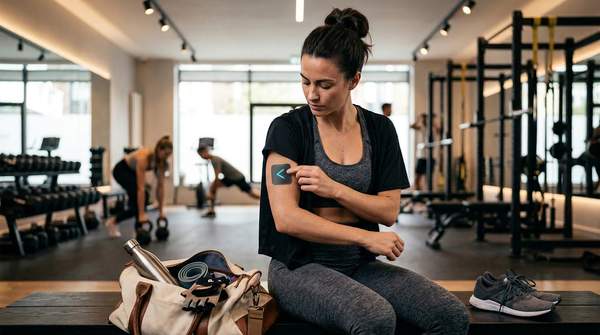
The Apple Watch Series 11 boasts an average heart rate error of less than 1%, delivering medical-grade precision from a consumer device, according to CNET. This isn't just a gadget; it's a personal health sentinel, blurring the lines between everyday tech and specialized medical equipment. Users gain trustworthy insights for proactive heart health management.
Yet, while heart rate data shines with accuracy, measurements for other crucial health metrics—like energy expenditure—often fall significantly short. This creates a critical gap, misleading users into believing they have comprehensive health insights when they don't.
Consumers will undoubtedly keep embracing these devices for their convenience and precise insights. But a critical understanding of their limitations is paramount. Without it, misinterpreting health data becomes inevitable, turning a powerful tool into a potential pitfall for effective health management in 2026.
What Fitness Trackers Really Measure (and How Well)
Modern fitness trackers promise a wealth of metrics, but their accuracy is a wild card. Take heart rate: the Apple Watch boasts a mean absolute percentage error (MAPE) under 10% in two PubMed studies. This isn't just good; it's a game-changer for cardiovascular health monitoring, offering data you can truly act on.
Basic activity tracking, like step counts, also holds up. The Fitbit Charge and Charge HR models showed a MAPE below 25% across 20 studies, according to that same PubMed research. Combined with heart rate, these devices provide a solid foundation for daily activity goals and understanding your body's core functions.
But don't be fooled by the good news. Energy expenditure? That's where the industry stumbles. The MAPE for calorie burn soared past 30% for all brands tested, a universally poor showing, PubMed confirms. This isn't a minor flaw; it means users tracking calories are likely making major dietary or activity miscalculations, sabotaging their own health goals. The contrast reveals a stark truth: some metrics are revolutionary, others are simply unreliable.
Beyond Accuracy: Features That Define the User Experience
Beyond raw data, a tracker's daily grind hinges on features like battery life, charging speed, and display quality. The Whoop 5.0, for instance, delivers an impressive 14 days on a single charge, CNET reports. That kind of endurance means uninterrupted monitoring, a true game-changer for consistent health insights.
And when you do need a boost, speed is everything. The Apple Watch SE 3 gives 8 hours of use after just 15 minutes of charging, CNET confirms. The Pixel Watch 4 hits 50% in under 15 minutes. These rapid power-ups aren't just convenient; they ensure your device is always ready, minimizing interruptions to your health journey.
Finally, a clear display makes all the difference. The Garmin Venu 3 sports a crisp 1.4-inch touchscreen, Forbes notes. An intuitive, vibrant screen transforms data access from a chore into a pleasure. These user-centric features, often overlooked, are precisely what drive consistent engagement and deeper integration of health tracking into our daily lives, proving that convenience can be as crucial as accuracy.
The Cost of Staying Connected: Pricing and Subscriptions
The price tag isn't just a number; it shapes who can access these tools and for how long. The Fitbit Charge 6, at $85, offers a straightforward, one-time purchase, CNET reports. This accessible model opens the door for many to dive into comprehensive health tracking without recurring fees.
But beware the subscription trap. The Whoop 5.0, for example, demands a recurring subscription; you can't just buy it outright, PCMag explains. This model unlocks advanced analytics and coaching, but it also locks you into a continuous financial commitment, fundamentally changing the ownership game.
This shift to subscriptions isn't just about cost; it's about control. While a low upfront fee might entice, those ongoing charges can quickly eclipse the initial savings, making long-term value a crucial consideration for savvy consumers. It forces a choice: immediate access versus enduring investment.
Why Consistent Data and Key Features Matter for Health
Reliable health monitoring demands specific features. Integrated GPS is a must-have, and the Fitbit Charge 6 shines here, PCMag notes. It means precise outdoor activity tracking without your phone, delivering accurate distance and pace data that truly counts.
Equally vital is consistent data availability. Devices like the Fitbit Charge HR, Flex 2, and Garmin Vivofit maintained data availability at 75% or higher, a PubMed study found. This unbroken stream of information provides a complete, trustworthy picture of your daily movement and sleep, building a foundation of data you can truly rely on.
These features aren't just bells and whistles; they're the bedrock of actionable health insights. They transform raw numbers into a narrative of your progress, allowing you to make truly informed decisions about your lifestyle and fitness routines. It's about empowering you, not just tracking you.
Your Top Questions About Fitness Trackers Answered
Can fitness trackers detect heart problems?
Some fitness trackers can detect irregular heart rhythms, such as atrial fibrillation (AFib), through their heart rate monitoring capabilities. For example, the Apple Watch has features that can alert users to potential AFib episodes, prompting them to seek medical advice, as highlighted by PMC. However, these devices are not medical diagnostic tools and cannot definitively diagnose heart conditions.
How accurate are fitness trackers for heart rate?
Fitness trackers generally offer high accuracy for heart rate monitoring, particularly during resting and steady-state activities. The Apple Watch Series 11, for instance, achieved an average heart rate error of less than 1%, according to CNET. This precision makes them reliable for tracking cardiovascular effort during workouts and monitoring resting heart rate.
What heart rate zone is best for recovery?
For recovery, the optimal heart rate zone is typically between 50% and 60% of your maximum heart rate. This low-intensity zone promotes blood flow to muscles, aiding in waste removal and replenishment without adding significant stress. Engaging in light activity within this zone helps reduce muscle soreness and prepares the body for future workouts.
Smart Tracking: Leveraging Strengths, Acknowledging Limits
Fitness trackers are powerful allies, but they demand a discerning eye. The Apple Watch's sub-1% heart rate error, CNET reports, stands in stark contrast to the industry's 30%+ energy expenditure error, PubMed reveals. This isn't just a discrepancy; it's a facade of comprehensive health, where one stellar metric dangerously masks another's severe unreliability, leaving consumers with an incomplete and misleading picture.
Assume all data is accurate at your peril. Relying on flawed metrics like energy expenditure can lead to poor health decisions. While simple step counts (Fitbit Charge/HR MAPE under 25%) offer reasonable accuracy, the crucial metric of caloric burn remains universally unreliable across all brands, PubMed confirms. This isn't a brand issue; it's a fundamental technological hurdle, a stark reminder that not all data is created equal.
By late 2026, manufacturers will likely face mounting pressure to either dramatically improve energy expenditure accuracy or transparently communicate these critical limitations, ensuring consumers can truly trust their health data.