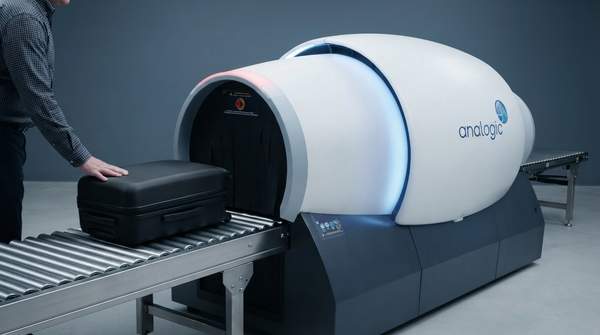
The Transportation Security Administration's rollout of 3D CT scanners changes two things for carry-on travelers: your bag must physically fit through a smaller scanner opening, and you may no longer need to unpack the items you used to. TSA spokesperson Daniel Velez told reporters the new machines measure 24.5 inches wide by 16.5 inches high, and the agency cautions that bags that don't fit may have to be checked with the airline instead of carried on. Here's what that means for how you pack—and a checklist to run before you leave home.
Understanding TSA's New 3D CT Scanners
TSA has been installing computed tomography (CT) scanners at security checkpoints across the country, replacing older X-ray equipment. In a press release, the agency described the core advance: an X-ray camera spins around items, shooting hundreds of images to build a three-dimensional view of a bag's contents.
"This new technology creates such a clear image of a bag's contents that the system can automatically detect explosives and other threat items," TSA said. Those automatic threat-detection algorithms mean officers can often inspect a bag digitally rather than opening it, which the agency expects to speed up the process for everyone in line.