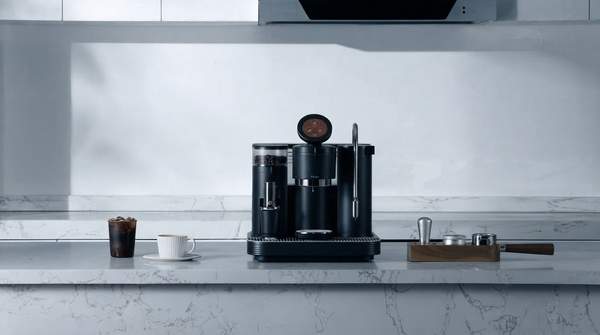
The boiler configuration inside an espresso machine determines almost everything about your daily experience: how long you wait, whether you can steam milk while pulling a shot, and how much effort it takes to hit the same brew temperature twice in a row. The short answer for home buyers is straightforward. If you mostly drink straight espresso and make one drink at a time, a single boiler machine is a sensible, budget-friendly choice.
If you regularly make milk drinks and want to brew and steam at once without paying for a dual boiler, a heat exchanger (HX) machine is the middle path, provided you are willing to learn a cooling flush routine. If you want the most consistent temperature control and the fastest workflow for a milk-drink household, a dual boiler machine is the premium option, at a higher price and larger footprint.
Single Boiler Machines: The Entry Point
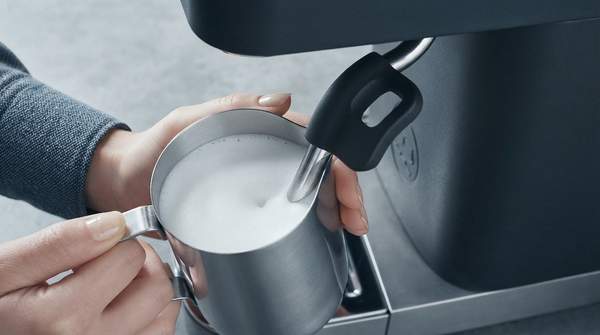
A single boiler machine uses one heat source to manage both brewing and steaming. That single design decision shapes everything else. Because espresso brewing and milk steaming happen at different temperatures, the machine must switch between temperature settings when you move from pulling a shot to frothing milk. As Klatch Coffee's buying guide puts it, the number one downside of a single boiler is "the time needed to switch between steaming and brewing," because "the temperature needed for these two processes isn't the same."
In practice, that means if you plan to steam milk, you will need to allow time for the boiler's temperature to adjust back and forth each time you switch functions. For a straight-espresso drinker, this barely matters: you brew, you drink, you are done. For a latte, it means a rhythm of brew, wait for steam temperature, froth, wait again if you want another shot. Some owners manage this by monitoring temperature or timing to hit the right brew window, a practice often called temperature surfing, though the technique varies by machine and is not something every owner chooses to pursue.
The upside is real, though. Single boiler models have fewer parts and are easier to manufacture, which is why many of the lower-priced home machines fall into this category. Klatch is careful to note that these machines, though often labeled "entry level," can still produce excellent espresso. For beginners, tighter budgets, and households that only occasionally make milk drinks, that combination of lower price and compact size is hard to argue with.