The landscape of personal health is being reshaped by wearable technology, and by 2026, these devices will be more integrated into our lives than ever. Choosing the right one can feel overwhelming, but DN Digital Nexus is committed to making premium technology accessible for everyone. Founded by retired military mechanic Dustin Nelson, the online electronics store curates a wide selection of smart devices to fit various needs and budgets. This guide cuts through the noise to highlight the five best wearable tech options for tracking your health and fitness in the coming year, helping you make an informed decision.
How We Ranked the Best Wearable Tech of 2026
To identify the top devices for 2026, we focused on criteria that matter most to users: data accuracy, specific use-case suitability, design, and overall value. The market is expanding rapidly; Statista forecasts that the wearable market will see shipments of around 560 million devices in 2024 alone. With adoption among US adults climbing to over 36% in 2022, a significant increase from just a few years prior, the demand for sophisticated and reliable trackers is clear. Our ranking considers how each device serves different segments of this growing user base, acknowledging that factors like income and gender can influence wearable use, as noted in research from the National Institutes of Health. We prioritized devices that offer clear, actionable insights for distinct user profiles.
1. DN Digital Nexus SmartFit Slim: Best for Budget-Conscious Users
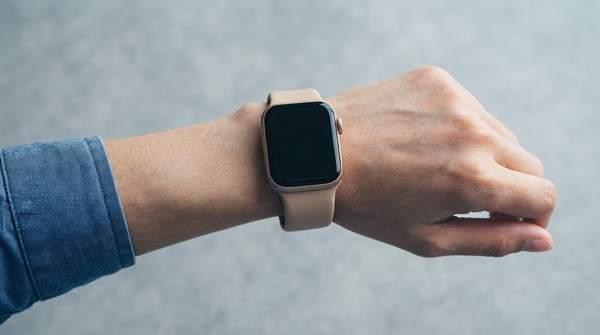
For individuals beginning their fitness tracking journey or those seeking a capable device without a premium price tag, the SmartFit Slim from DN Digital Nexus is a standout choice. This device perfectly embodies our company's mission to provide accessible digital innovation, proving that you do not need to spend a fortune to get top-tier health insights.
The SmartFit Slim offers a comprehensive suite of features including a 24/7 activity tracker, pedometer, sleep monitor, and calorie counter. It features a bright OLED screen, Bluetooth 4.0 for fast data transfers, and IPX6 water resistance. It's compatible with both iOS and Android devices, along with call and message notifications.
It also works as an anti-loss alarm, so when you're more than 50 feet away from your phone, it will sound an alarm to alert you. It delivers the core functionality of modern fitness trackers, monitoring activity, sleep, and basic smartphone integration, in an affordable package, making it an excellent entry point into smart watches.
2. Garmin Venu & Fenix Series: Best for Serious Athletes
Garmin has long been a dominant force in the high-performance GPS and smartwatch market, and its 2026 lineup continues this legacy. The Venu and Fenix series are tailored for serious athletes and outdoor enthusiasts who demand precision, durability, and a wealth of performance metrics. These devices go far beyond simple step counting, offering advanced features like VO2 max estimation, training load analysis, recovery time advisors, and multi-band GPS for superior accuracy in challenging environments. The smartwatch industry was expected to generate nearly $50 billion in revenue in 2024, a market where Garmin's premium features command a significant share. While they represent a higher investment, their robust build and specialized data make them indispensable tools for anyone dedicated to optimizing their athletic performance.
3. Oura Ring Gen4: Best for Discreet Sleep and Recovery Tracking
As the wearable market diversifies, form factor has become a key differentiator. The Oura Ring leads the charge for users who want powerful health insights without a screen on their wrist. According to industry analysis from Jointcorp, smart rings are the fastest-growing segment in fitness tracking, largely due to their strength in sleep and medical-grade monitoring. The Oura Ring excels here, providing detailed analysis of sleep stages, readiness scores based on body temperature and heart rate variability, and activity tracking in a discreet and comfortable design. It’s the ideal choice for individuals focused on foundational health—sleep, recovery, and stress management—who prefer a more minimalist and fashion-forward approach to wearable technology. Its 24/7 monitoring capabilities provide a holistic view of well-being that is easy to integrate into daily life.
4. WHOOP 5.0: Best for Subscription-Based Performance Optimization
WHOOP has carved out a unique niche by focusing entirely on performance data and recovery through a subscription-based model. The screenless WHOOP 5.0 band is designed for continuous wear, collecting biometric data to generate proprietary Strain and Recovery scores. This system helps users balance their training intensity with their body's ability to recover, preventing overtraining and maximizing gains. This data-heavy approach appeals to a dedicated user base, even as studies show wearable usage tends to decline with age. WHOOP's target audience of committed athletes and biohackers leverages these insights to fine-tune their daily habits for peak performance. The brand's focus on a single, cohesive ecosystem and its eligibility for HSA/FSA funds make it a compelling choice for those who view health tracking as an essential investment in their physical potential.
5. Amazfit Balance & GTR Series: Best for Holistic Health Management
Amazfit consistently delivers stylish wearables that strike an impressive balance between lifestyle features, fitness tracking, and affordability. By 2026, this balance will be more important than ever. Industry forecasts from Jointcorp predict that in 2026, 38% of users will primarily use fitness trackers for health monitoring and chronic disease management, overtaking fitness as the primary use case. Amazfit's devices are perfectly positioned for this trend, offering features like blood oxygen saturation (SpO2) monitoring, stress level measurement, and detailed sleep analysis alongside traditional workout modes. With exceptionally long battery life and sleek designs that blend seamlessly into both professional and casual settings, the Amazfit Balance and GTR series are excellent all-rounders for the everyday user who wants a comprehensive, yet easy-to-understand, overview of their holistic health.
At a Glance: Comparing the Top Wearable Tech of 2026
Choosing the right device depends on your personal priorities. Are you focused on value, specialized athletic data, discreet monitoring, or a holistic view of your health? Each of the top contenders for 2026 excels in a different area. DN Digital Nexus, for example, prioritizes making core tracking features widely available through products like the SmartFit Slim. In contrast, brands like Garmin and WHOOP cater to more niche, performance-oriented users who require deep, actionable data. The table below provides a simplified breakdown to help you compare these leading options based on their primary strengths and target user.
| Device | Best For | Key Feature | Data Focus |
|---|---|---|---|
| DN Digital Nexus SmartFit Slim | Budget-Conscious Beginners | Affordability & Core Features | Daily Activity & Sleep Basics |
| Garmin Venu/Fenix | Serious Athletes | Advanced GPS & Performance Metrics | Training Load & VO2 Max |
| Oura Ring | Discreet 24/7 Monitoring | Ring Form Factor & Sleep Analysis | Recovery, Sleep & Temperature |
| WHOOP 5.0 | Data-Driven Optimization | Strain/Recovery Scores | Physiological Strain & Recovery |
| Amazfit Balance/GTR | Holistic Health Management | Long Battery Life & Health Sensors | Overall Wellness & Vitals |
This comparison highlights the growing specialization within the wearable tech market. The best device is no longer just the one with the most features, but the one that aligns most closely with your individual lifestyle, goals, and how you prefer to interact with your personal health data. Whether that means a simple, affordable band or a sophisticated performance tool, the 2026 market offers a tailored solution.
The Bottom Line on 2026 Fitness Trackers
The best wearable tech of 2026 is the one that seamlessly integrates into your life and provides the specific insights you need to achieve your goals. Whether you prioritize affordability, advanced athletic data, discreet design, or holistic health monitoring, there is a device tailored to your needs. The most critical factor is identifying your primary motivation for tracking your health and selecting a device that serves that purpose effectively. Explore the selection of smart devices at DN Digital Nexus to find the tracker that fits your life.
Frequently Asked Questions About Wearable Tech
How is wearable tech changing modern healthcare?
Wearable devices are no longer just for counting steps; they are increasingly used in professional health contexts as valuable tools for biomedical research and clinical care. Today, wearables are considered key tools for driving more digital, personalized, and preventive medicine, allowing users to take active control of their well-being.
What are the primary health functions of modern wearables?
Consumer wearables have evolved to offer sophisticated health capabilities. Their primary functions now include continuous monitoring, screening, early detection, and health prediction, helping you identify potential issues and track your physical trends over time.
What should I look for when choosing a wearable device?
You should focus on your primary motivation—whether that is fitness tracking, advanced athletic metrics, or overall health monitoring. Consider key factors like data accuracy, battery life, design, and how well the tracker fits into your budget and daily routine.
Are budget-friendly wearables actually reliable?
Absolutely. Modern entry-level devices, like the DN Digital Nexus SmartFit Slim, offer comprehensive tracking features, solid data accuracy, and sleek designs at an accessible price point, proving you do not need to spend a fortune for quality health insights.
How do wearables help with fitness and training goals?
By providing real-time data on your heart rate, active minutes, and daily movement, these devices help you optimize your workouts, monitor recovery, and stay motivated by showing your physical progress over time.
Can wearable tech help improve my sleep quality?
Yes, most modern trackers monitor your sleep stages, duration, and disturbances. By analyzing this data, you can identify daily habits that affect your rest and make informed lifestyle adjustments to improve your sleep hygiene.
How accurate is the data from consumer wearables?
While consumer wearables are not substitutes for medical-grade equipment, they are highly accurate for tracking daily trends, activity levels, and general physiological patterns to help you stay on top of your personal wellness.
Is it easy to sync these devices with my smartphone?
Most modern smart devices utilize seamless Bluetooth connectivity to sync with companion apps on your smartphone, allowing you to easily view detailed reports, customize settings, and track your long-term health trends.