Home water filters work in three fundamentally different ways, and the difference matters. Activated carbon traps contaminants on a porous surface, reverse osmosis pushes water through a membrane fine enough to block dissolved solids, and ion exchange swaps unwanted minerals for more benign ones. Each method targets a different class of contaminant, and each treats the minerals in your water very differently—carbon leaves them alone, reverse osmosis strips most of them out, and ion exchange deliberately replaces them. Understanding those mechanisms is the key to matching a filter to your actual water quality concerns rather than buying on marketing claims.
Activated Carbon Filtration: Adsorption for Taste and Odor
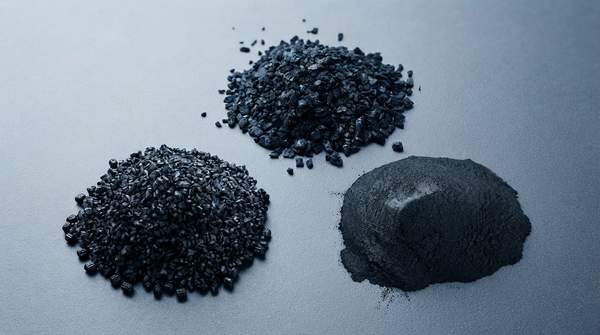
Activated carbon is the workhorse of home filtration, and it works through a process called adsorption. Unlike a simple sieve, carbon doesn't just block particles—it attracts them. The material is engineered to be extraordinarily porous, giving it an enormous internal surface area. As water flows through, contaminants come into contact with that surface and bind to it, whether through physical forces like van der Waals attraction or through chemical interactions. Once bound, they're effectively removed from the water.
What does carbon actually catch? According to NICHEM Solutions, a water treatment company that publishes technical overviews of filtration methods, adsorption removes chlorine, organic compounds, odors, heavy metals, and ammonium ions. Electrolux describes the process in three stages: the large internal surface area physically traps sediment, the carbon then attracts contaminants like lead and volatile organic compounds as water passes through, and finally chemical reactions inside the filter reduce chemicals like chlorine on contact.
That chlorine reduction is why carbon filters are so strongly associated with better-tasting water. Chlorine and the compounds it creates are the most common sources of off-tastes and odors in municipal tap water, and carbon addresses them directly. Crucially, carbon is also gentle on the good stuff: NICHEM notes that this type of filtration does not remove essential minerals. The calcium and magnesium that were in your water going in are still there coming out.
Reverse Osmosis: Membrane Separation for Comprehensive Purification
Reverse osmosis takes the opposite approach—instead of attracting contaminants, it blocks them. Water is forced at high pressure through an extremely fine semi-permeable membrane. The CDC, explaining how water treatment works, notes that reverse osmosis removes additional particles from water and that treatment plants often use it when treating recycled water or salt water for drinking—which tells you something about how demanding a barrier it is.
The membrane's pores are what do the work. NICHEM's technical classification places reverse osmosis at the finest end of membrane filtration, with pores smaller than one nanometer. At that scale, the membrane removes salts and small organic molecules—contaminants that coarser membranes like microfiltration and ultrafiltration simply let pass. An industry guide from Ion Exchange, a water treatment company, credits reverse osmosis with removing up to 99 percent of contaminants and delivering high-quality purified water.
That comprehensiveness comes with a trade-off: the membrane doesn't distinguish between contaminants you want gone and minerals you might want to keep. The same barrier that blocks salts and heavy metals also removes the dissolved calcium, magnesium, and other beneficial minerals in your water. The result is very pure water, but water with a lower mineral content—and potentially a different, flatter taste than what you're used to. Reverse osmosis systems also require a specific setup that adds to the cost, as NICHEM points out, and they work best when the water reaching the membrane has been pre-treated.
Ion Exchange: Swapping for Softer Water
Ion exchange is the most chemically clever of the three methods, and it's the technology behind water softeners. Rather than trapping or blocking contaminants, it replaces them. Water passes through a bed of resin beads that exchange undesirable ions in the water—primarily calcium and magnesium, the minerals responsible for hardness—for more desirable ones, typically sodium or hydrogen ions.
Aqua Clara, a nonprofit that publishes educational material on filtration systems, describes the process as splitting contaminating substances into ions, trapping those ions in the filter, and releasing different ions in their place—essentially exchanging bad ions for good ones. Ion Exchange's guide identifies calcium and magnesium as the primary targets, and the practical payoff is softer water with less limescale buildup on fixtures, kettles, and appliances.
It's worth being precise about what ion exchange does to your water's mineral content, because it's unique among the three methods: it doesn't remove minerals so much as swap them. Your calcium and magnesium go; sodium or hydrogen comes in. Aquasana, a filter manufacturer, adds that ion exchange filters are also good for reducing lead and removing radioactive material, though hardness remains their core job. If your concern is scale buildup rather than dissolved contaminants broadly, this is the technology designed for it.
Comparative Overview of Home Water Filtration Technologies
With the three mechanisms in hand, the practical comparison falls into place. The table below contrasts each technology by how it works, what it's best at removing, and what happens to the minerals in your water—the dimension that most directly affects taste and long-term satisfaction with your choice.
| Technology | Primary Mechanism | Best for Removing | Impact on Minerals |
|---|---|---|---|
| Activated Carbon | Adsorption: contaminants bind to the carbon's porous surface through physical and chemical attraction | Chlorine, organic compounds, odors, sediment, heavy metals, volatile organic compounds | Leaves essential minerals in the water |
| Reverse Osmosis | Pressure forces water through a semi-permeable membrane with pores under one nanometer, leaving contaminants behind | A wide range of dissolved solids, salts, small organic molecules—up to 99% of contaminants | Removes beneficial minerals along with contaminants, lowering mineral content |
| Ion Exchange | Resin beads swap undesirable ions for more desirable ones, typically sodium or hydrogen | Hardness ions (calcium and magnesium); also used for reducing lead and radioactive material | Replaces calcium and magnesium with sodium or hydrogen rather than removing all minerals |
Read the table against your own situation. If your tap water tastes of chlorine but is otherwise fine, activated carbon addresses that directly while keeping its minerals intact. If you're concerned about a broad mix of dissolved contaminants—salts, metals, small organic molecules—reverse osmosis offers the widest removal, at the cost of stripping minerals too. If your problem is hardness and scale, ion exchange is purpose-built for it.
Making an Informed Choice for Your Home Water
My advice is to let your water quality report drive the decision, not the filter aisle. These technologies aren't interchangeable, and no single one is universally superior—carbon won't soften hard water, ion exchange won't remove chlorine taste, and reverse osmosis removes more than some people want removed. General guidance can only take you so far: the effectiveness of any filter depends on the specific water arriving at your tap, so a local water quality test is the real starting point. This article also sticks to principles rather than brands, and it leaves UV purification, distillation, and mechanical filtration aside.
The decision, then, is to select a filtration technology that aligns with your specific water quality concerns and your preferences about mineral content. The measurable indicator that you've chosen well is concrete: improved water taste, reduced levels of the specific contaminants you were targeting—chlorine, hardness, or dissolved solids—or a follow-up water quality test confirming the change you wanted. Start with the test, match the mechanism to the contaminant, and you'll know whether your filter is doing its job rather than hoping it is.