When I started paying attention to cookware handles instead of just pan bodies, my cooking got safer and more comfortable almost immediately. The short answer for most home cooks: stainless steel handles win for high-heat and oven-to-table versatility, phenolic (Bakelite-style) handles win for cool, comfortable everyday stovetop work, and silicone offers the grippiest, softest feel with moderate oven tolerance. The trade-offs come down to heat resistance, grip, and durability—and the right choice depends on whether you sear on the stovetop, finish dishes in the oven, or both.
Stainless Steel Handles: Durability Meets High Heat
If oven use is central to your cooking, stainless steel is the material to beat. GreenPan's care guidance, for instance, rates pans with stainless steel handles as oven-safe up to 600°F, while stainless handles with a silicone insert drop to 375°F—a detail worth checking before you buy. All-Clad's own guide describes quality stainless pots and skillets as generally safe for oven use and able to perform under high heat.
The catch is on the stovetop. As the cookware-parts maker Steelware Parts explains, stainless steel is a poor heat conductor, but without insulation a solid handle can still get hot enough to require a mitt. The upsides are considerable, though: stainless handles are long-lasting, hygienic, dishwasher-safe, and keep their appearance with minimal maintenance. JC Cookware, a stainless cookware manufacturer, likewise credits stainless handles with excellent durability and high-temperature tolerance.
Phenolic (Bakelite) Handles: The Cool-Touch Choice
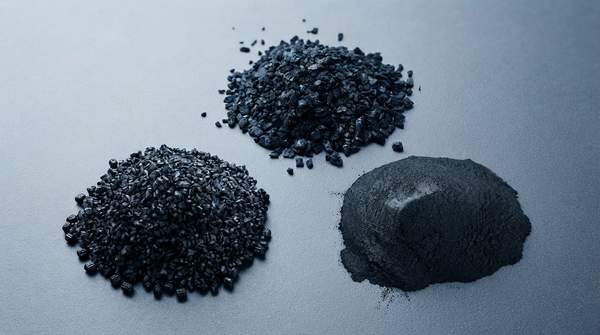
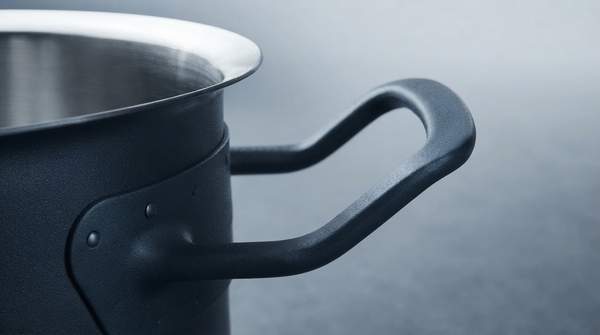
Phenolic handles—often called Bakelite, and part of the thermoset family of plastics—are the ones I reach for when I want to grab a pan barehanded. Their defining strength is thermal insulation: they stay cool on the stovetop, so you get a comfortable grip without additional protection during normal cooking. JC Cookware describes Bakelite as lightweight with effective thermal insulation, well suited to everyday use.
Oven tolerance is where phenolic hits its ceiling. GreenPan rates phenolic (plastic) handles as oven-safe only up to 350°F, and the material is not suitable for broiler or grill use. La Termoplastic F.B.M., a thermoset handle manufacturer with decades of experience in the material, notes that a special higher-temperature thermoset compound exists that permits in-oven cooking too—so ratings vary by formulation and manufacturer. Durability is decent: phenolic resists scratches and stains, but some types can crack or chip under sudden impact, so treat them a bit more gently than metal.
Silicone Handles: Grip, Comfort, and Moderate Oven Safety
Silicone is the comfort pick. It offers a soft, non-slip grip that stays cool to the touch on the stovetop—even with wet hands, as one cookware comparison guide notes. That same guide recommends silicone for everyday cooking precisely because of its cool, comfortable, budget-friendly grip, while steering high-heat and oven-focused cooks toward stainless or phenolic.
Oven safety sits in the middle range. GreenPan's silicone-insert stainless handles are rated to 375°F, and Lodge's silicone handle grip sold through Chef's Deal is listed as oven-safe to 425°F and dishwasher-safe. So silicone can handle moderate oven finishing—braises, roasts under 425°F—but not the high-heat roasting or broiling that stainless shrugs off. Always verify the specific product's rating, since silicone grades and constructions differ.
Cookware Handle Material Comparison
Here is the at-a-glance comparison I wish I'd had before my last cookware purchase. Each row reflects general material properties as described by cookware manufacturers and care guidance; specific products vary, so treat the temperatures as typical ranges, not guarantees.
| Material | Heat Resistance (Stovetop & Oven) | Grip & Comfort | Durability & Maintenance |
|---|---|---|---|
| Stainless steel | Gets hot on the stovetop without insulation; oven-safe up to 600°F per GreenPan's guidance, varying by manufacturer | Can require oven mitts on the stovetop; hollow designs reduce heat transfer and weight | Highly durable, corrosion-resistant, hygienic, dishwasher-safe; keeps appearance with minimal care |
| Phenolic (Bakelite/thermoset) | Stays cool on the stovetop; oven-safe only up to about 350°F, not for broiler or grill use | Cool-to-touch, smooth, comfortable grip without extra protection | Resists scratches and stains; can crack or chip with impact—medium durability |
| Silicone | Cool on the stovetop; typically oven-safe around 375–425°F depending on product (GreenPan inserts 375°F; Lodge grip 425°F) | Soft, non-slip grip that works even with wet hands | Dishwasher-safe; verify manufacturer limits, as grades vary |
Reading the table as a decision tool: if your recipes regularly exceed 425°F in the oven, only stainless steel qualifies. If your cooking is stovetop-dominant and you value a cool grip, phenolic or silicone serves better. If you want one pan that does both, stainless with a removable silicone sleeve is a pragmatic hybrid.
Beyond Material: How Handle Design Impacts Your Cooking
Two pans can both say "stainless steel handle" and feel completely different, because construction matters as much as material. Steelware Parts distinguishes solid from hollow stainless handles: hollow designs are engineered with an internal cavity that keeps the strength of the metal while reducing both weight and heat transfer. The result is a handle that stays cooler than solid steel and makes large pots noticeably easier to lift—hollow stainless handles also withstand high oven temperatures and repeated dishwashing, unlike plastic or silicone alternatives.
That design difference explains why some stainless-handled pans are pleasant to use barehanded while others demand a mitt. It also points to a practical buying habit: handle the pan in the store if you can, and look for hollow construction or silicone sleeves when heat and weight are concerns. As Steelware Parts puts it, "A well-designed cookware handle improves heat resistance, ergonomics, and durability, while the wrong choice may cause discomfort or even safety hazards."
Making Your Cookware Handle Decision
Choose cookware handles based on your primary cooking methods and desired balance of heat resistance, comfort, and durability. In practice: frequent oven finishing at high temperatures points to stainless steel; everyday stovetop cooking with a cool, comfortable grip points to phenolic or silicone; and a mixed routine favors stainless with a silicone sleeve you can remove before high-heat oven work. Whatever you choose, check the manufacturer's stated oven-safe temperature for that specific piece before it goes in the oven—ratings vary even within a material. The measurable indicator of a good choice is simple: the chosen cookware's handle material consistently performs as expected for heat management and comfort during typical use, without premature degradation. If a handle cracks, chips, or heats uncomfortably within your normal routine, that's your signal the material was mismatched to your cooking style.
Sources
- HELP
- Oven Safe Stainless Steel Pans: All-Clad Guide — ALL CLAD
- Different Types of Cookware Handles and Their Applications — steelwareparts
- Leading Stainless Steel Cookware Manufacturer — Stainless Steel Cookware Sets | JC Cookware
- Best Materials for Pot and Pan Handles — BLOG
- News - Comparing the Top Heat Resistant Knob Materials for Cookware — Xianghai
- Lodge ASBG41 Handle Grip, Oven Safe 425°F, Dishwasher Safe — Chef's Deal