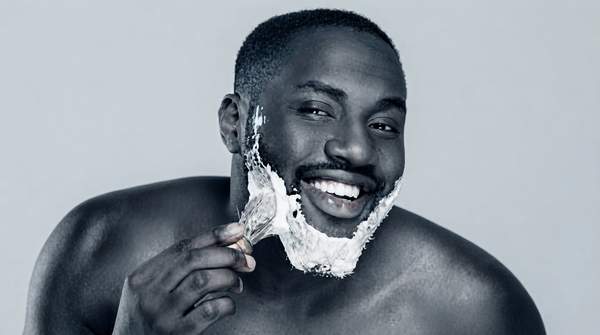
After a decade where beards symbolized rugged masculinity, sales of traditional wet-shaving products are up 15% year-over-year, according to Euromonitor International. A surge in sales of traditional wet-shaving products, coupled with high-profile male celebrities like Jason Momoa and Chris Evans appearing clean-shaven, marks a surprising return to the smooth face, profoundly impacting men’s grooming trends in 2026.
For years, facial hair was the mark of individuality, a defiant flourish against corporate uniformity. Yet, a growing number of men now opt for a clean-shaven look, driven by evolving perceptions of professionalism and a desire for personal renewal. This challenges the very notion of individuality in male aesthetics.
As societal norms subtly shift towards a more refined aesthetic, the clean-shaven face appears poised to become the new standard for male grooming, reshaping product markets and personal branding with an undeniable mandate for conformity.
The Numbers Don't Lie: A Shaving Resurgence
- $20 billion — The global men's shaving market is projected to reach this figure by 2028, a significant increase from $16 billion in 2023, according to Grand View Research. The projected growth confirms a robust market reorientation towards traditional shaving.
- 40% — Searches for 'clean shave tutorial' on YouTube have surged by this percentage in the last six months, according to Google Trends, a clear sign of public interest in the smooth aesthetic.
- 5% — Beard care product sales declined in 2023, according to NielsenIQ, following a decade of consistent growth. The decline in beard care product sales marks a decisive reversal in consumer spending.
- Increased sales — Major grooming brands like Gillette and Harry's report renewed vigor in their traditional shaving lines, according to Company Earnings Reports, a direct market response to shifting preferences.
Why Men Are Reaching for the Razor
The motivations underpinning the clean-shaven resurgence are as varied as they are compelling, extending beyond mere aesthetic whim into professional aspiration and personal redefinition.
Many men, particularly those aged 25-45, see the clean-shaven look as a non-negotiable asset in corporate environments, a silent nod to professionalism. A significant portion associate a smooth face with personal renewal and new beginnings, seeking a 'fresh start' or 'post-pandemic reset.' Younger demographics (18-24) embrace it as a fashionable, timeless aesthetic, while partner preference also plays a role in these grooming choices.
Cultural Currents: The Forces Behind the Smooth Face
Beyond individual preference, a confluence of cultural currents steers men towards the clean-shaven aesthetic. The ascendance of 'quiet luxury' and the 'old money aesthetic' in fashion, according to Vogue Business, undeniably shapes grooming, favoring an understated, meticulously polished appearance over overt displays of rugged individualism. The ascendance of 'quiet luxury' and the 'old money aesthetic' aligns with a broader post-pandemic desire for normalcy, a collective yearning for order, as cultural anthropologists observe.
Moreover, while corporate environments often tout flexibility, they subtly, yet consistently, reward a 'put-together' appearance, HR reports confirm. The unspoken expectation for refinement often includes a clean shave, subtly pushing professionals towards this look. Many men report a distinct psychological boost, a heightened sense of confidence and being 'ready for business' when clean-shaven, according to a Focus Group Study. This choice isn't superficial; it's tied to self-perception and professional readiness.
The Future of Face: Innovation and Adaptation
The traditional act of shaving is being redefined, moving beyond simple hair removal to encompass a sophisticated ritual of skin health and self-care.
- New shaving technologies, focused on skin health and comfort, attract discerning consumers, a clear shift towards advanced grooming solutions, per Dermatology Review.
- Subscription shaving services see renewed growth, suggesting long-term consumer commitment to consistent routines, Subscription Box Trends Report confirms.
- Luxury shaving brands are resurging, Luxury Goods Market Analysis notes, as consumers invest in quality and the shaving experience.
- Barbershops adapt, offering 'luxury shave' services alongside beard trims, diversifying for new and existing preferences, says the Barber Shop Owners Association.
Industry adaptation—from tech to retail to services—confirms the clean-shaven look is no fleeting caprice. It's a sustained cultural movement reshaping male grooming.
Social media influencers focused on 'gentleman's style' or 'classic grooming' are gaining significant traction, according to TikTok/Instagram Analytics, establishing new benchmarks for masculine aesthetics. The market for pre-shave and post-shave skin care products is expanding rapidly, according to a Beauty Industry Analyst, indicating a holistic approach to facial grooming that prioritizes skin health alongside a smooth finish. The clean-shaven look is increasingly being associated with attributes like trustworthiness, competence, and youthfulness in professional settings, according to a Perception Study, University of Chicago, reinforcing its role as a visual signal for corporate advancement.
As the clean-shaven aesthetic solidifies its position, the beard grooming trimmer kit market, projected to reach $1.2 billion by 2030, according to Natlawreview, faces an imperative to innovate or risk further contraction beyond its 2023 5% decline. The market recalibration signals a clear preference for a more refined, less rugged male presentation in 2026, compelling brands to adapt swiftly.