
Fitness Trackers
5 articles
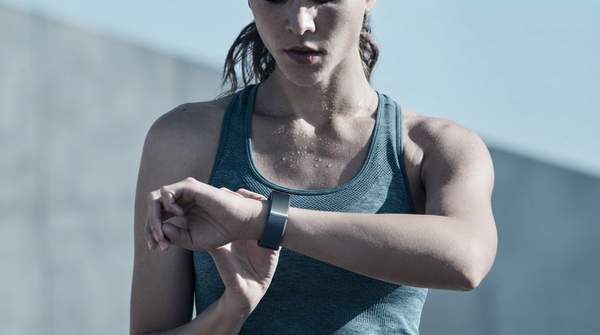
HRV, SpO2, and Sleep Stages: What Your Fitness Tracker Can—and Cannot—Tell You
Modern fitness trackers offer advanced health metrics like HRV, SpO2, and sleep stages, but these are estimates with real limits. Understand their limitations and focus on long-term trends rather than precise daily readings for actionable insights.
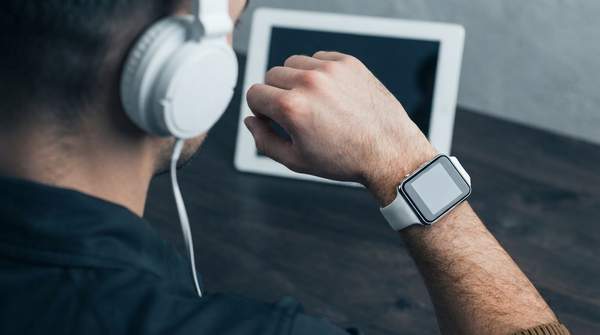
How Fitness Tracker Sensors Work: Accelerometers, PPG, and Skin Temperature Explained
Understand how fitness tracker sensors like accelerometers, PPG, and skin temperature work, and learn to distinguish between direct measurements and algorithmic estimates. This guide helps you interpret your data, knowing that trust in metrics decreases the further they are from raw sensor signals.
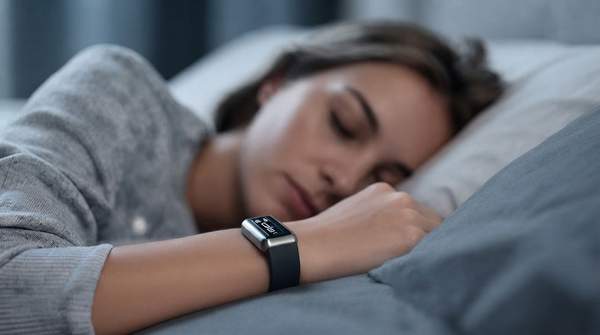
Chest Strap, Watch, or Ring? How to Pick the Right Tracker for Sleep and HRV
Choosing a fitness tracker for sleep and HRV involves balancing accuracy with wearability. While chest straps offer the highest precision, smart rings and watches are better for consistent, long-term personal insights due to their comfort and adherence.

Top Fitness Trackers for Accuracy and Value
Despite the marketing hype around advanced health features, the humble Fitbit Inspire 3 still reigns as the most accurate device for basic step counting, outperforming many pricier rivals.

Fitbit Air vs. Other Fitbits: Which Tracker Is Better?
The new Fitbit Air, a screenless wearable, packs 24/7 heart rate monitoring, A-fib alerts, and SpO2 tracking into a device 50% smaller than the Inspire 3, all for $100.