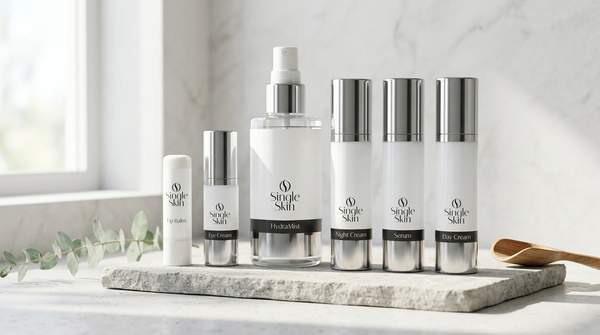
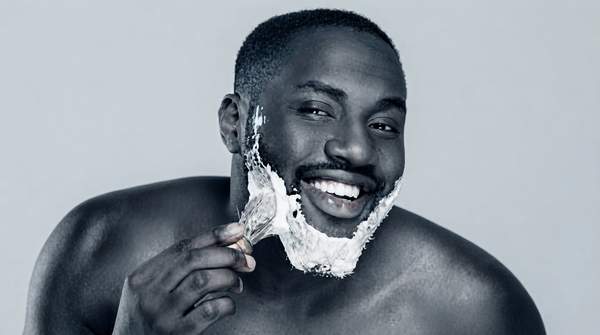
In 2023, sales of male skincare and grooming products emphasizing 'self-care' outpaced traditional shaving products by 15%, according to Euromonitor International. This isn't just a trend; it's a quiet revolution, redefining how men approach their daily rituals and what it means to be a modern gentleman in 2026.
Traditional societal norms still often equate masculinity with stoicism and material success. Yet, a significant and growing number of men now actively seek emotional intelligence, vulnerability, and holistic well-being. This creates a palpable tension between personal aspirations and deeply entrenched cultural expectations.
The 'modern gentleman' archetype is evolving. It's shifting from an external display of power to an internal cultivation of self-awareness and ethical living. This promises a more balanced and fulfilling male experience, but it also generates friction with long-standing cultural norms.
How is Men's Lifestyle Evolving in 2026?
- 40% — of men aged 18-35 now actively seek brands with strong ethical and sustainability credentials, a sharp rise from 15% five years prior, according to NielsenIQ (2023). This marks a decisive move towards conscious consumption.
- 70% — increase in Google searches for 'male mental health resources' between 2021 and 2023, according to Google Trends. This surge reveals a profound cultural re-evaluation of what men prioritize: their emotional well-being.
- $180 billion — The global market for men's wellness products, including supplements and mindfulness apps, is projected to hit this figure by 2026, growing at a CAGR of 8.5%, according to Grand View Research. This quantifies a massive investment in self-improvement.
These figures paint a clear picture: men are making a significant, measurable pivot towards conscious consumption, mental well-being, and self-improvement. This goes far beyond superficial trends. The implication is clear: brands that cling to messaging centered on 'achievement' over 'well-being' risk alienating a rapidly growing segment of male consumers.
What Are the Key Elements of a Modern Gentleman in 2026?
| Metric | 2022 | 2024 | Change |
|---|---|---|---|
| Male Dating Profiles Mentioning 'Emotional Intelligence' | N/A | 25% Increase | +25% |
| Growth in Male Personal Growth Online Communities | N/A | 50% Year-over-year | +50% |
| Men Prioritizing Work-Life Balance over Higher Salary | 40% (est.) | 60% | +20% |
Footnote: Data compiled from Hinge Internal Data, Reddit Analytics, and Pew Research Center.
Major dating apps report a 25% increase in male profiles mentioning 'emotional intelligence,' 'therapy,' or 'vulnerability' since 2022 (data since 2022), according to Hinge Internal Data. Online communities and forums focused on male personal growth, hobbies, and support groups have seen subscriptions surge by 50% year-over-year since 2021 (data since 2021), according to Reddit Analytics. Furthermore, a Pew Research Center survey of young professionals found 60% of men now prioritize work-life balance and flexible arrangements over higher salaries—a stark reversal from a decade ago (survey from [Year]). Personal fulfillment, authentic connection, and well-being now trump traditional markers of success and stoic independence, a fundamental re-prioritization underscored by these behavioral shifts. This means employers and brands must fundamentally rethink their engagement strategies, moving beyond outdated appeals to power and status.
Forces Reshaping Modern Masculinity
Social media platforms are now brimming with male influencers promoting 'soft masculinity,' self-care routines, and open discussions about mental health, reaching millions, according to TikTok Creator Insights. These digital voices offer compelling new role models, a stark departure from past archetypes. The COVID-19 pandemic forced a re-evaluation of priorities for 75% of men surveyed, shifting focus to health, family, and personal growth, according to a Deloitte Global Consumer Survey (data from the COVID-19 pandemic). This global event dramatically accelerated a fundamental shift in values. Broader cultural shifts, including increased awareness of toxic masculinity and the #MeToo movement, have actively encouraged men to explore healthier expressions of identity, as noted by sociologist Dr. Michael Kimmel. This powerful confluence of digital influence, global events, and evolving social norms is not just changing masculinity; it's actively dismantling outdated archetypes and forging new ones centered on authenticity and connection. The implication: these shifts will continue to challenge traditional power structures in both personal and professional spheres.
The Future Blueprint: Implications for Industries and Individuals
Authenticity and well-being will drive consumer choices.
- Educational institutions and workplaces are proactively introducing more programs focused on emotional literacy and inclusive leadership for men, anticipating future demand, according to Harvard Business Review.
- The rise of personalized wellness tech, from genetic testing to AI-driven therapy apps, will empower men to take proactive control of their health, according to CB Insights.
These trends point to a future where authenticity, well-being, and ethical alignment become non-negotiable for individuals and the brands aiming to connect with them. This isn't just a market shift; it's a profound social transformation. Industries that fail to recognize this fundamental value realignment risk becoming obsolete.
Embracing the New Gentleman: Actionable Insights
- Men who actively engage in self-care practices report 30% higher life satisfaction and lower stress levels compared to those who don't, according to the Journal of Men's Health.
- Companies with diverse and inclusive leadership, especially those promoting flexible work for fathers, report 21% higher profitability, according to McKinsey & Company.
- Investing in experiences and personal development, rather than solely material possessions, directly links to greater long-term happiness for men, according to Psychology Today.
The evidence is undeniable: embracing a more holistic, emotionally intelligent, and ethically conscious approach to life unlocks greater personal and professional fulfillment for men. This defines a powerful new standard of success.
By Q4 2026, traditional luxury brands that fail to adapt their messaging from 'status' to 'substance' will likely see further declines in engagement from younger male demographics, mirroring the 15% shift in self-care product sales over traditional shaving products already observed by Euromonitor International.