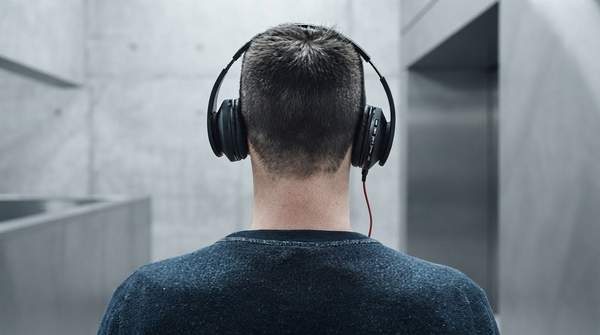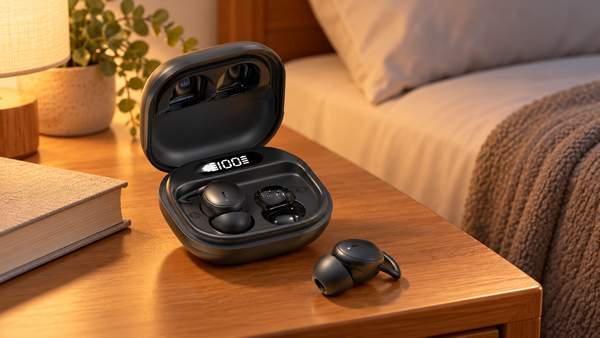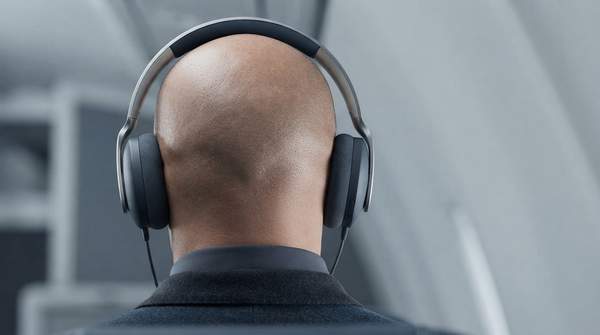
Active Noise Cancellation (ANC) technology significantly enhances listening experiences by actively reducing unwanted environmental sounds. This is achieved through a sophisticated process where headphones with built-in microphones detect ambient noise and then generate an "anti-noise" signal, which is essentially a mirror image of the unwanted sound. When this anti-noise is introduced, it effectively cancels out the external sound, allowing listeners to focus on their desired audio or enjoy a quieter environment. The effectiveness and characteristics of ANC vary significantly depending on the specific technology employed. There are three primary types of ANC: feedforward, feedback, and hybrid, each distinguished by its operational principles, microphone placement, and typical performance against different noise profiles.
Understanding Active Noise Cancellation (ANC) Technologies
The fundamental principle behind Active Noise Cancellation involves the creation of an "anti-noise" waveform that is precisely out of phase with the incoming ambient noise. When these two waveforms meet, they cancel each other out, a phenomenon known as destructive interference. This process allows headphones, earphones, or earbuds equipped with ANC to combat noise actively. The core difference among the three main types of ANC—feedforward, feedback, and hybrid—lies in the strategic placement of their microphones within the headphone's signal chain. This placement dictates how and when ambient noise is detected and processed, directly influencing the system's strengths and weaknesses in various noise environments.
Feedforward ANC: External Noise Capture
Feedforward ANC systems are characterized by the placement of an external microphone, typically located on the outer casing of the headphones. This microphone's primary role is to capture ambient noise before it even reaches the listener's ear. Once detected, the unwanted sound signal is sent to a digital signal processing (DSP) chipset. The DSP then processes this signal and generates the corresponding anti-noise waveform. This corrected audio, often combined with any music or desired sound, is subsequently outputted by the headphone's driver or speaker. According to Jabra, this approach is generally more effective at reducing higher-frequency noise because it processes the sound proactively, before it has a chance to enter the earcup.
However, feedforward ANC operates within a narrower range of frequencies. Power-Time notes that if the headset is positioned incorrectly or if noise approaches from an unusual angle, this setup can inadvertently amplify certain frequencies, rather than canceling them. This is because the system "assumes the listener won't hear any noise" and doesn't correct for sound that has already entered the ear. Furthermore, because the microphone is exposed to the outside world, it is more susceptible to wind noise, which can interfere with its performance and lead to less effective noise cancellation.
Feedback ANC: In-Ear Monitoring for Precision
In contrast to feedforward systems, feedback ANC headphones place the microphone inside the earcup, directly in front of the speaker. This internal microphone continuously monitors the sound that actually reaches the listener's ear, including any residual noise that may have penetrated the earcup. Audio-Technica explains that if this internal microphone picks up any sound not originating from the headphone's driver, the DSP chipset identifies it as unwanted noise. It then creates a canceling waveform, which is immediately sent back through the speaker to the listener's ears. This "closed-loop" method allows for more precise cancellation of noise that has already entered the earcup, as it directly responds to what the listener hears, making it effective for a broader range of noise frequencies.
Despite its precision, feedback ANC is generally less effective at canceling higher-frequency sounds, as noted by Jabra. The system reacts to noise after it has entered the earcup, which can introduce slight delays. These delays can lead to potential instability, particularly with sudden changes in noise or very high-frequency sounds, where the system might struggle to react quickly enough. Power-Time also highlights that if not designed correctly, there is a risk of feedback noise—a painful, high-pitched shrill—and the system may accidentally filter out desired low-frequency audio if it mistakenly treats incoming music as noise.
Hybrid ANC: Combining Strengths for Comprehensive Cancellation
Hybrid ANC technology represents an integration of both feedforward and feedback mechanisms, aiming to combine the strengths of both systems for enhanced performance. This advanced setup utilizes external microphones on the headphone's outer casing to capture ambient noise, similar to feedforward systems, and internal microphones inside the earcup to monitor the sound reaching the listener's ear, akin to feedback systems. Lite-On explains that this dual-microphone configuration provides both an "upstream noise reference" from the external mic and a "downstream error observation" from the internal mic. This comprehensive data allows for a more adaptive and robust noise cancellation capability.
By combining external and internal microphone information, hybrid ANC aims to achieve maximum effectiveness across a wider range of frequencies and noise types, as stated by Cardinal Peak Staff. This advanced architecture allows it to address challenges that single-microphone systems might face, such as wind noise or inconsistent noise cancellation across different frequencies. SoundGuys notes that hybrid ANC offers the "best of both types, drawbacks of neither," providing comprehensive noise cancellation. While hybrid ANC typically offers superior performance and adaptability, this enhanced capability often comes with a higher cost and requires more sophisticated design to prevent the introduction of unwanted noise or processing artifacts.
ANC Technology Comparison: Strengths and Weaknesses
Understanding the distinct characteristics of feedforward, feedback, and hybrid ANC is crucial for selecting headphones that best suit specific noise environments. The following comparison highlights their operational differences and typical performance against various noise profiles, offering a clear guide to their practical applications.
| ANC Type | Microphone Placement | Operational Principle | Strengths (Noise Types) | Weaknesses (Noise Types) |
|---|---|---|---|---|
| Feedforward ANC | External microphone on the outer casing. | Detects ambient noise externally and generates an 'anti-noise' signal to cancel it out before it enters the earcup. | Better at reducing higher-frequency noise. | Can accidentally amplify noise at some frequencies if placed incorrectly or if noise comes from a weird angle; works within a narrower range of frequencies; sensitive to wind noise. |
| Feedback ANC | Microphone inside the earcup, in front of the speaker. | Picks up sound that reaches the listener's ear, identifies noise not from the driver, and adjusts the anti-noise signal for precise cancellation. | Better at canceling wind noise; deals with a broader range of noise frequencies. | Less effective for higher frequencies; can struggle with sudden changes in noise; risk of feedback noise if designed incorrectly; may accidentally filter out desired low-frequency audio. |
| Hybrid ANC | Both external (outer casing) and internal (in front of speaker) microphones. | Combines external noise detection with in-ear monitoring to provide both an upstream noise reference and a downstream error observation for comprehensive cancellation. | Best of both types, offering comprehensive noise cancellation across a wider range of frequencies and noise types. | Usually more expensive; requires sophisticated design to avoid introducing unwanted noise. |
Making an Informed Decision: Matching ANC to Your Use Case
Choosing the most suitable ANC headphones depends largely on your primary noise environment and specific use cases. For instance, if your main concern is reducing constant, higher-frequency sounds, such as office chatter, certain types of machinery noise, or the hum of an airplane cabin, feedforward ANC might be a suitable option, as Jabra indicates its effectiveness for higher frequencies. However, as Power-Time notes, users should be mindful of potential amplification issues with improper fit or if noise approaches from an unusual angle, and its sensitivity to wind noise.
If you frequently encounter a broader range of noise frequencies, including lower-end hums, and prioritize precise cancellation of sounds that have already entered the earcup, feedback ANC could be more effective. SoundGuys notes that feedback ANC is better at canceling wind noise. However, it may not perform as well with very high frequencies or rapidly changing noise due to potential delays in its reactive system. For the most comprehensive noise cancellation across a wide spectrum of frequencies and noise types, hybrid ANC is generally the most capable choice, as it combines the strengths of both feedforward and feedback systems, according to Cardinal Peak Staff and Lite-On. This enhanced performance, however, typically comes at a higher cost and requires more sophisticated design to avoid introducing unwanted noise.
Choosing Your Ideal ANC Headphones
Select ANC headphones by matching the technology type (feedforward, feedback, or hybrid) to your most common noise environment and specific use cases. The perceived reduction in specific types of environmental noise (e.g., engine hums, office chatter, street sounds) during initial use will indicate the effectiveness of your choice.
Sources
- ANC headsets Aren't All The Same: The Different Types Of ANC — Jabra Blog
- Three types of active noise cancellation — Power-Time | Two-Way Radio Accessories Manufacturer for Batteries, Earpieces, Speaker Microphones & OEM/ODM Solutions
- Audio Solutions Question of the Week: How Do Different Active Noise-Cancelling Headphones Work? — AUDIO Technica
- LITEON
- What is ANC Technology & How Does it Work? — Contract Engineering, Product Design & Development Company - Cardinal Peak
- Active noise canceling (ANC) technology types explained — SoundGuys