Selecting the right noise-cancelling headphones involves more than just finding a model with an "on" switch for the feature. The most effective noise reduction comes from a combination of a headphone's physical design and the specific electronic system it uses to erase unwanted sound. Understanding how different headphone shapes and noise-cancellation technologies interact is key to choosing the best option for your primary listening environments, whether that's a noisy airplane cabin, a bustling office, or your daily commute.
The Foundation: Passive Noise Cancellation and Form Factors
Before any electronics are activated, all headphones provide some level of noise reduction through their physical design, a principle known as Passive Noise Cancellation (PNC) or noise isolation. According to audio product company Dyson, this method relies on the physical structure of the headphones to block external sound from reaching your ear. It requires no battery power to function.
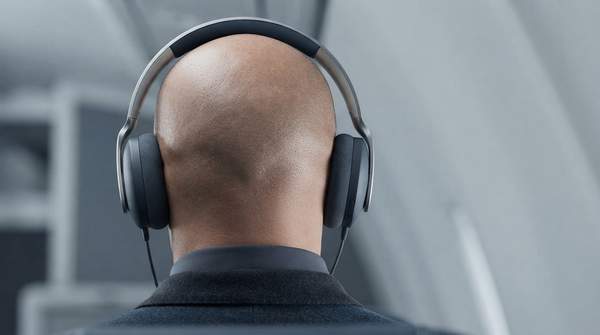
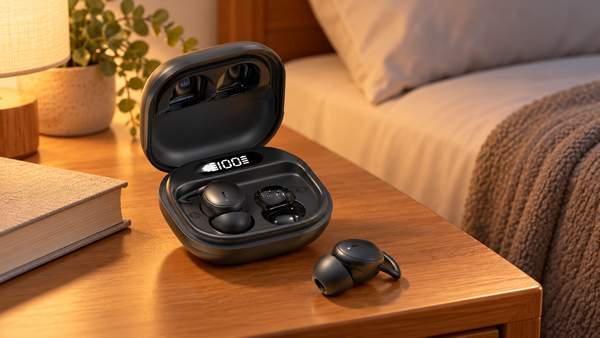
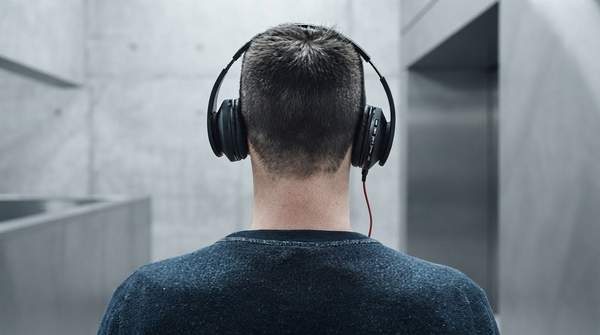
The effectiveness of PNC is directly tied to the headphone's form factor. Over-ear headphones utilize cushioned ear cups that create a seal around the entire ear. In-ear models and true wireless earbuds, as described by manufacturer Bang & Olufsen, depend on well-designed eartips that fit snugly inside the ear canal to keep surrounding noise out. The quality of this physical seal is critical. Audio company Bose notes that extensive research into the diverse shapes of human ears has been conducted to improve the fit and comfort of eartips, ensuring optimal noise blocking. This physical barrier is the first and most fundamental layer of defense against intrusive sounds.
Understanding Active Noise Cancellation (ANC) Principles
While passive isolation physically blocks sound, Active Noise Cancellation (ANC) is a technology that electronically erases it. This system uses tiny microphones to detect ambient sounds in your environment. A processor then generates an equal but opposite sound wave—an "anti-noise"—that effectively cancels out the original sound before you hear it. This process is particularly effective against constant, low-frequency sounds, such as the drone of an airplane engine or the hum of an air conditioner, as noted in guidance from headset manufacturer Addasound.
This electronic process requires a dedicated chipset and processing power, which consumes battery life and can cause ANC headphones to drain their power faster than standard models. Initially common in larger, over-ear headphones, advancements in technology have made ANC systems small and efficient enough to be integrated into compact true wireless earbuds, according to Bang & Olufsen.
Types of Electronic ANC Systems: Feed-forward, Feedback, and Hybrid
Not all ANC systems are built the same. The placement of the microphones determines how the technology functions, leading to three primary designs: feed-forward, feedback, and hybrid.
A feed-forward system places a microphone on the outside of the headphone earcup. This microphone captures noise before it reaches your ear, allowing the system to process and cancel it in advance. This design is effective against what is known as broadband noise.
In a feedback system, the microphone is positioned inside the earcup, closer to your ear. This placement allows it to hear the same sound you do, including any noise that has leaked past the passive seal. It can then correct for this residual noise and is particularly adept at cancelling narrowband noise and higher frequencies.
A hybrid ANC system, as described by Audio-Technica, represents the "best of both worlds" by combining both feed-forward and feedback microphones. By using at least two microphones—one external and one internal—a digital signal processor can identify a wider range of unwanted sounds and generate a higher level of noise cancellation across different frequencies.
Noise Cancellation Technologies: A Comparative Overview
The choice between passive, active, and adaptive noise cancellation depends on your environment, the type of noise you want to block, and your tolerance for battery consumption. Each approach has distinct strengths and is suited for different scenarios.
| Technology Type | How It Works | Best For (Noise Type) | Ideal Use Case | Power Requirement |
|---|---|---|---|---|
| Passive Noise Cancellation (PNC) | Uses physical design, like sealed earcups or well-fitting eartips, to physically block sound waves. | Mid- to high-frequency sounds like human speech and office chatter. | Quiet environments or for simple, casual listening where some isolation is sufficient. | None. It is a function of the physical design. |
| Active Noise Cancellation (ANC) | Uses microphones and a processor to generate an inverse sound wave that electronically cancels ambient noise. | Low-frequency, constant noise like airplane engines, train rumble, or air conditioning hums. | Travel, offices, and environments with consistent background noise. | Requires battery power, which contributes to faster power drain. |
| Adaptive ANC | Automatically and continuously adjusts the level of noise cancellation in real-time based on changes in the surrounding environment. | Dynamically changing noise, from quiet streets to loud public transport. | Environments where noise levels fluctuate frequently, such as commuting. | Requires more processing power than standard ANC, impacting battery life. |
Making Your Choice: Matching Headphones to Your Environment
To select the most suitable noise-cancelling headphones, prioritize the form factor for passive isolation, then choose an ANC technology (feed-forward, feedback, hybrid, or adaptive) that aligns with the predictability and type of noise in your primary listening environment, considering the trade-off with battery life. For consistent, low-frequency noise like that experienced during air travel, a pair of over-ear headphones with strong passive isolation and a hybrid ANC system offers a powerful combination. For unpredictable urban commutes with fluctuating noise, in-ear headphones with adaptive ANC can provide a more convenient and responsive solution. Ultimately, the right choice is the one that best matches your daily soundscape. The reader can observe a noticeable reduction in unwanted noise that matches the characteristics of their chosen headphone type and technology in their intended use environment.
Sources
- The difference between active noise cancellation and passive noise cancellation — DYSON
- What is ANC? How Noise Canceling Headphones Work — BANG Olufsen
- How Do Noise Cancelling Headphones Work? — Bose
- Focus On Sound: A Comparison of Noise-Canceling Headphone Types - ADDASOUND DENMARK A/S.
- Audio Solutions Question of the Week: How Do Different Active Noise-Cancelling Headphones Work? — AUDIO Technica