Two years before the Class of 2026 even graduates, online publishers are already recommending specific gifts like Wildflower phone cases. This aggressive pursuit of early search engine optimization and affiliate revenue compels publishers to commodify significant life milestones, eroding authentic consumer experiences years before they happen.
High school graduation for the Class of 2026 is still two years away, yet online publishers are pushing specific gift recommendations. This premature content raises significant questions about its genuine utility for consumers, and the underlying motivations driving its creation.
Based on this evidence, it appears likely that the trend of hyper-early content publication will continue to accelerate, further blurring the lines between timely information and perpetual marketing.
Gifts for 2026 Graduates: What's Already Being Recommended?
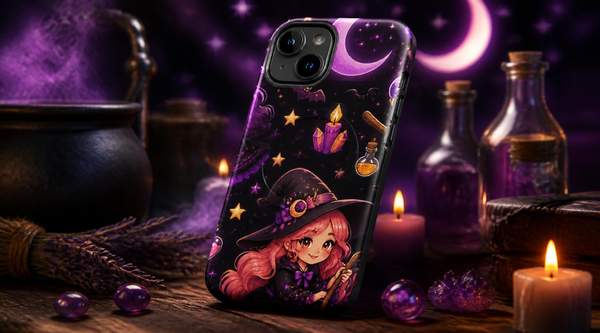
- Wildflower phone cases are recommended as a graduation gift for the Class of 2026, according to SheKnows. The recommendation of Wildflower phone cases two years in advance indicates a proactive strategy to capture future search traffic and affiliate revenue.
- The Everymom also provides a guide to graduation gifts for the Class of 2026 on its site, signaling a broader trend in early content publication. The risk of recommending items that may be outdated by the event highlights that these guides prioritize immediate click generation over long-term consumer utility.
The Accelerated Content Cycle: Why So Early?
The recommendation of highly specific, trendy products like Wildflower phone cases two years in advance reveals a strategy focused on speculative affiliate gains. Publishers are effectively attempting to 'pre-package' the emotional significance of life events, establishing purchasing patterns and brand loyalty before consumers have even begun to process the actual milestone.
This trend suggests an increasing pressure on content creators to generate evergreen content far in advance. Such a practice potentially leads to content saturation and consumer fatigue, as milestones become mere shopping opportunities.