Fitbit Air: Google's New $99 Tracker Redefines Health Tech

Google just dropped a bombshell: the new Fitbit Air, launching at a jaw-dropping $99.

KK
Kai Kealoha

May 27, 2026 · 6 min read

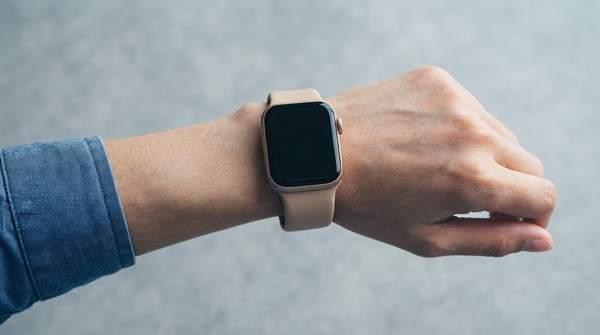
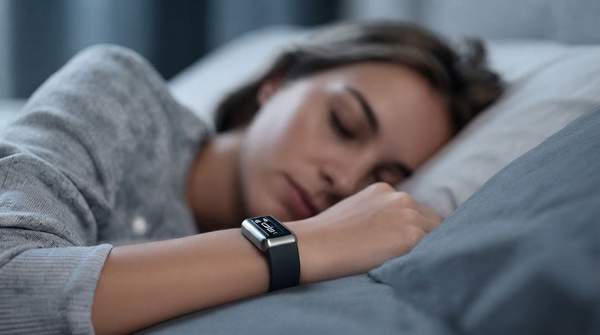
The new Fitbit Air tracker with subtle AI-generated data visualizations in the background, highlighting its advanced health technology.

Google just dropped a bombshell: the new Fitbit Air, launching at a jaw-dropping $99. But here's the kicker — its game-changing Gemini AI health coach demands an extra $100 annual subscription. This isn't just a new fitness tracker; it's a strategic move that redefines "affordable" in the health tech space. The Fitbit Air is marketed as a budget-friendly, screen-free device, yet its most personalized, differentiating guidance is locked behind that recurring paywall. This tension will undoubtedly reshape the fitness tracker market, pushing it toward hybrid pricing models. Expect low-cost hardware paired with optional, value-added software subscriptions, forcing even premium brands to innovate far beyond simple data collection.

Available for pre-order at $99.99, the Fitbit Air is Google's latest play to pull users into its health ecosystem. Shipping on May 26, 2026, after its May 7, 2026, launch (Blog Google), this device isn't just a tracker; it's a gateway. Its aggressive entry price and generous trial period for premium features are clearly designed to hook users into a subscription model (Memeburn). This isn't about selling hardware; it's Google pivoting hard to a subscription-first approach, turning the $99 device into a recurring revenue stream. It fundamentally redefines what "affordable advanced health tracking" truly means.

Fitbit Air: Core Features and Design

Best for: Consumers seeking comprehensive health tracking with an accessible initial price and optional AI coaching.

The Fitbit Air is a sleek, screen-free tracker, priced at a competitive $99. This immediately undercuts rivals like the Whoop 5.0, which demands $239 annually (PCMag UK). Don't let the low price fool you; it packs a punch, tracking 24/7 heart rate, heart rhythm with Afib alerts, SpO2, resting heart rate, heart rate variability, and detailed sleep stages (Blog Google). This robust data collection at an entry-level price point sets a new standard for accessibility in health monitoring.

Strengths: Accessible $99-$99.99 price; robust health tracking; 7-day battery life; 50 meters water resistance. | Limitations: Screen-free design relies entirely on app; advanced AI coaching is subscription-gated. | Price: $99-$99.99 device, plus optional $9.99/month or $99.99/year for Google Health Premium.

Best for: Athletes and serious fitness enthusiasts prioritizing detailed recovery and performance metrics with a premium subscription.

Whoop, conversely, targets serious athletes with its premium, screen-free experience, all about advanced physiological data. Its WHOOP Peak plan begins at $239 per year, with the WHOOP Life plan climbing to $359 annually (Whoop). These higher tiers aren't just for show; the WHOOP Life plan delivers on-demand ECG readings, daily blood pressure insights (beta), and a crucial Heart Screener. This positions Whoop as a dedicated performance tool, justifying its mandatory subscription with deep, actionable health metrics.

Strengths: Superior 14+ day battery life; advanced health monitoring, including ECG and blood pressure insights; dedicated performance and recovery focus. | Limitations: Mandatory and significantly higher annual subscription costs; no upfront device purchase option without subscription. | Price: WHOOP Peak plan starts at $239/year; WHOOP Life plan costs $359/year.

Best for: Users looking for a one-time purchase health tracker without recurring subscription fees.

Then there's the Luna Band, shaking up the market at $149 with a unique proposition: absolutely no subscription fee required (Memeburn). This direct, one-time purchase model offers a refreshing alternative to the subscription-heavy landscape. While it just opened its waitlist on May 22, 2026, with invite-only shipping kicking off in late July 2026, its pricing strategy alone makes it a formidable contender for consumers wary of recurring costs.

Strengths: No subscription fee; competitive one-time purchase price. | Limitations: Limited availability (waitlist); specific feature details not fully public; new to market. | Price: $149 (one-time purchase).

Beyond the data, the Fitbit Air is built for life. Its minimalist, screen-free design belies robust health monitoring and practical durability for everyday wear. With a solid 7-day battery life and water resistance up to 164 feet (50 meters) (PCMag UK, dcrainmaker), it’s engineered for continuous, hassle-free use. This focus on seamless integration into daily life, rather than flashy displays, hints at Google's long-term vision: making health tracking an invisible, indispensable part of your routine.

Fitbit Air vs. The Competition: Value and Subscriptions

DeviceUpfront CostAnnual Subscription CostKey DifferentiatorAI Coaching
Fitbit Air$99-$99.99Optional $99.99/year (after 3-month trial)Gemini AI-powered Google Health CoachSubscription-gated
WhoopDevice included with subscription$239-$359/year (mandatory)WHOOP Peak/Life insightsIntegrated with subscription
Luna Band$149NoneNo subscription requiredNot specified

The Fitbit Air's hybrid model isn't just a pricing strategy; it's a market disruptor. By offering a low upfront cost with an optional subscription for advanced AI coaching, it carves out a unique space between basic free-tier trackers and premium, subscription-only devices. The Google Health Coach, delivering personalized guidance, is the crown jewel of this subscription, priced at $10 per month or $100 annually (WIRED). This starkly contrasts with the Luna Band's straightforward $149 one-time purchase, which demands no recurring fees. The implication is clear: consumers must now weigh immediate savings against long-term value, fundamentally altering how we perceive "ownership" in health tech.

The Bottom Line: A New Era for Fitness Trackers

Google's Fitbit Air isn't just another tracker; it's a strategic gambit. It delivers a lightweight, feature-rich device at an accessible price, aiming to dominate a broad market segment by expertly balancing hardware cost with subscription-based intelligence. Weighing 20 percent lighter than the discontinued Fitbit Luxe (WIRED), this design prioritizes ultimate comfort and continuous wear. This isn't just about data; it's about embedding Google's AI into your daily life, making health insights an effortless, always-on experience.

The 3-month auto-renewing premium trial for the AI coach is a clear signal: Google is aggressively funneling users into its subscription ecosystem. This strategy prioritizes long-term revenue, potentially at the expense of truly transparent, upfront pricing for its "democratized" health features. It creates an undeniable two-tiered system. While basic data collection is accessible, the personalized interpretation and coaching are not. This effectively segments the user base into those content with raw data and those willing to pay a premium for actionable, AI-driven insights. The Fitbit Air's $100 price, matching the Inspire 3 (WIRED), positions it as entry-level hardware, but its true value proposition hinges on that recurring payment. This isn't just about selling a device; it's about selling a lifestyle powered by AI, one subscription at a time.

The fitness tracker market is at a pivotal moment. Google's Fitbit Air isn't just a new product; it's a bold declaration, setting a new precedent for hybrid pricing models. As we move into late 2026, competitor brands, particularly those clinging to high-cost, subscription-only models, will face immense pressure. They must adapt, innovate, or risk being left behind in this dynamic, AI-driven health tech revolution.

Frequently Asked Questions

Which fitness tracker is better, Fitbit or Whoop?

The "better" tracker depends on individual needs and budget. The Fitbit Air offers a low initial hardware cost of $99, with optional AI coaching via a $99.99 annual subscription. Whoop, conversely, requires a mandatory annual subscription starting at $239 for its device and advanced insights. For basic tracking and optional premium guidance at a lower total cost over time, Fitbit Air may be preferable, while Whoop targets dedicated athletes with deeper physiological data.

Fitbit vs Whoop 2026 comparison

In 2026, the Fitbit Air distinguishes itself with a $99 device and an optional $99.99 annual subscription for AI coaching, including a 3-month auto-renewing trial. Whoop operates on a subscription-only model, with plans ranging from $239 to $359 annually, which includes the device. While both are screen-free, Fitbit Air aims for broader accessibility with its hybrid pricing, whereas Whoop focuses on high-performance users willing to pay a premium for comprehensive athletic data.

What are the key differences between Fitbit and Whoop?

The core difference lies in their pricing models and target users. models: Fitbit Air offers an upfront hardware cost with an optional subscription, while Whoop is subscription-only, bundling the device. Fitbit Air boasts a Gemini AI-powered coach for personalized guidance, though this is a paywalled feature. Whoop, on the other hand, provides extensive recovery and strain metrics, including on-demand ECG readings with its premium Life plan. Crucially, the Fitbit Air's "optional" Google Health Premium includes a three-month auto-renewing trial at $9.99/month (Memeburn), a detail that significantly complicates its perceived affordability.