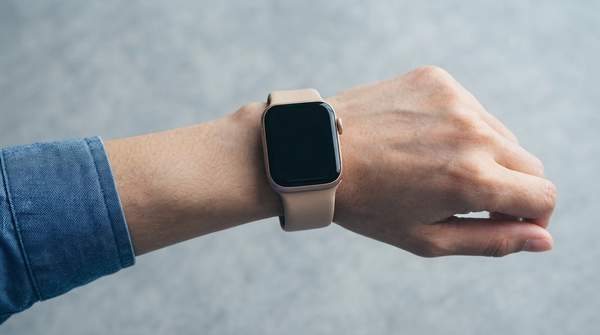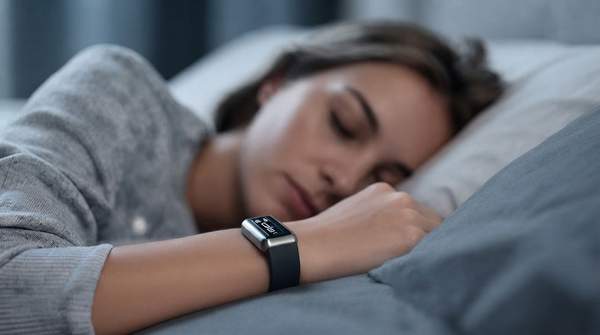
Every fitness tracker is built around three core sensors: a 3-axis accelerometer that measures your movement, an optical heart rate sensor that reads your pulse with light, and increasingly, a skin temperature sensor that tracks thermal shifts from your wrist. Understanding what each one physically measures — and what it can only estimate — explains why your step count tends to feel dependable while your sleep stages and calorie burn deserve more skepticism. Here is how the hardware actually works, and what that means for the numbers on your screen.
The Core of Fitness Tracking: Understanding Your Sensors
A sensor, at its most basic, is a device that responds to an input from the environment — motion, light, heat, pressure — and converts that physical quality into a signal an electronic device can record. Your tracker is a bundle of these converters feeding data to algorithms. Modern trackers pack more sensing technology into a wrist-sized package than early spacecraft carried, combining optical engineering, physics, and computational interpretation.
That last word — interpretation — is the key to reading your data well. Some numbers on your tracker are direct measurements of a physical quantity: steps counted from motion, or heart rate detected from blood-flow pulses under your skin. Others, like calories burned, sleep stages, and "readiness" scores, are estimates built by algorithms on top of raw sensor data. A scientific review of wearable activity trackers published in the National Library of Medicine's repository concluded that limitations in validation make it difficult to be confident in many of the metrics end users see, and that improved transparency in how these metrics are developed would increase their validity and reliability. The sensor physics is solid; the further a metric sits from the raw measurement, the more caution it warrants.