A twisted ankle on a remote trail, a common mishap, can become a life-or-death scenario for a solo camper, transforming solitude into extreme vulnerability. Without a companion, a minor sprain isolates an adventurer, turning a simple inconvenience into a critical struggle for survival where every basic need falls solely on the injured individual.
Solo camping offers unparalleled freedom and connection with nature, but it simultaneously magnifies common outdoor hazards into critical emergencies. This tension arises because the absence of a second person alone transforms common, non-fatal outdoor incidents like a twisted ankle or a bout of dehydration into immediate, life-threatening emergencies, rather than merely inconvenient setbacks.
Therefore, solo adventurers must proactively equip themselves with specific safety gear, recognizing that self-reliance alone is insufficient when facing amplified risks.
Why Solo Adventurers Face Unique Dangers
Solo adventurers entering the wilderness in 2026 confront primary risks: personal injury without immediate help and unpredictable weather, according to Battlbox. The absence of a partner means no one can fetch help or provide immediate first aid. This unique risk profile amplifies the danger of every potential mishap, transforming challenges easily managed within a group into critical emergencies demanding self-sufficiency.
The Amplified Threat of Injury
A debilitating injury represents the biggest threat to a solo camper, quickly becoming a life-threatening crisis when alone, states Battlbox. A simple sprain or fall, easily managed with companions, can escalate into a survival situation if a solo traveler cannot move or call for help. This compounding effect makes basic needs like shelter and warmth impossible, leading to fatal secondary threats like exposure or dehydration. Solo adventurers relying on group-oriented safety protocols are dangerously underprepared for these unique self-rescue demands.
Battling Environmental Extremes Alone
Dehydration and heat exhaustion pose common dangers for solo campers, primarily due to the sole responsibility of water management, according to Battlbox. Even mild dehydration, a nuisance in a group, rapidly escalates into a debilitating, life-threatening condition when alone. This demands solo campers fundamentally re-evaluate common outdoor incidents: even minor issues like dehydration require a survivalist mindset and specialized gear, not just basic first aid.
Essential Gear for Uncompromised Safety
Equipping oneself with reliable communication devices is fundamental for mitigating solo exploration vulnerabilities. A satellite messenger or personal locator beacon (PLB) provides a lifeline when cell service fails. I always carry a Garmin inReach Mini on solo trips, ensuring I can send an SOS or check in with loved ones.
A comprehensive first-aid kit, tailored for self-treatment, is non-negotiable. It must include supplies for major trauma, wound care, and pain management, anticipating scenarios where professional medical help is hours away. Robust navigation tools, like a GPS device and a detailed topographical map with a compass, also prevent disorientation.
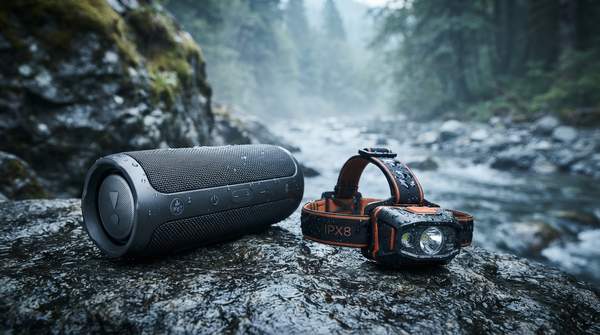
Beyond these, a durable multi-tool, a reliable headlamp with extra batteries, and a water filtration system are crucial. These items support self-sufficiency, transforming potential crises into manageable situations.
Common Questions on Solo Safety
How can I stay safe while camping alone?
Beyond essential gear, implement strict trip planning and share your itinerary with a trusted contact. Detail your route, expected return time, and contingency plans. Practice self-awareness and trust your instincts; if a situation feels unsafe, alter your plans or turn back.
What are the best safety tips for solo female travelers?
Solo female travelers should prioritize visible safety measures, such as using a personal alarm or carrying a self-defense tool where legal. Choose well-trafficked trails and established campsites, especially when starting out. Varying your routine and avoiding sharing exact travel plans publicly can enhance personal security.
By 2026, as solo adventurers increasingly understand the critical need for robust self-rescue capabilities, the market for compact, multi-functional safety devices, like advanced satellite messengers and integrated survival kits, will likely expand, transforming solo challenges into empowering experiences.