Durability in a backpack is decided less by the fabric on the label than by how the bag is sewn, anchored, and reinforced at a handful of specific points. "Backpack durability is not one feature," as the Camytonc editorial team at backpack maker BackpacksFactory puts it; "It is the result of material choice, seam construction, reinforcement, hardware and testing working together." A bag that looks tough in a photo can fail at a strap anchor within weeks, while a lighter-fabric bag with well-specified seams can outlast a heavier one. Here is how to inspect the features that actually determine whether a bag survives years of use.
Beyond Fabric: Why Construction Matters for Backpack Durability
Backpacks endure more mechanical stress than most people realize. According to the reinforcement engineering guide from bag manufacturer Lovrix, every time a bag is lifted, dropped, carried, or fully loaded, multiple forces act simultaneously on the fabrics, seams, webbing, shoulder straps, zippers, reinforcement patches, and internal structures. Weak reinforcement produces predictable failures: strap tearing, handle detachment, zipper track ripping, seam bursts, deformed back panels, and base panel collapse.
The important insight for buyers is that fabric specifications alone tell you very little about these outcomes. The seams absorb the punishment of dropping, yanking, overpacking, and dragging before the fabric does, as the BackpacksFactory guide explains. That means construction technique — where reinforcement is placed and how it is stitched — is the better predictor of longevity.
Understanding Backpack Stress Points and Their Forces
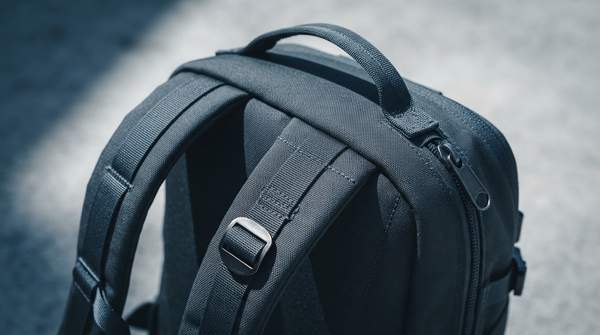
Stress concentrates at specific points rather than spreading evenly across the bag. The BackpacksFactory guide identifies four areas that receive repeated peak loads: the strap anchors, the top grab handle, the base seams, and the zipper ends. When a pack fails, the story is almost always the same — the stitching pulled out, the webbing tore away from the panel, or the zipper end split open.
Each point faces a different kind of force. Strap anchors bear the primary tensile load of the entire pack every time you lift it. The grab handle takes sudden, sharp peaks when the bag is snatched or swung. The base absorbs abrasion and the dead weight of contents when the bag is set down or dragged. Zipper ends face tension that can split the track open. A durable bag is one where each of these zones is reinforced for the specific force it encounters.
Stitching for Strength: Key Reinforcement Techniques
Two stitch patterns carry most of the load at high-stress points. A bartack is a dense cluster of tight zigzag stitches that locks a strap or webbing end in place; it is the standard for strap roots, grab handles, and the ends of zippers, where it prevents the track from tearing. Manufacturing guides cite bartacks providing on the order of 100–180 kg of tensile-force resistance when done at high stitch density.
A Box-X stitch is exactly what it sounds like: a box of stitching crossed by an X. This pattern distributes pull across a wider area of fabric, and Lovrix's engineering guide rates Box-X stitching combined with bartacks and internal webbing as the strongest reinforcement method available. Box-X patterns are cited to withstand roughly 100–150 kg of tensile force. At hardware attachment points — ladder locks and buckles — look for turn-back bar tacks and anchor stitching, sometimes backed by a secondary reinforcement patch. Single-line stitching, loose threads, or visible tearing at a strap junction are signs of construction that will not survive repeated peak loads, which is why failure at strap anchors is such a common issue.
Seam Construction: The Unsung Hero of Backpack Longevity
Seams fail in two ways: the stitching pulls out, or the raw fabric edge frays until the seam unravels. Two constructions address the second problem. In a bound seam, the internal seam allowance is wrapped in binding tape, which covers the raw edge and strengthens the seam line while also helping seal out water. In turned construction, the assembly is inverted so the seam allowances sit inside the bag, protected from abrasion.
Edge binding tape does similar work wherever a raw edge would otherwise be exposed. Neither method rescues a badly sewn seam, though — the BackpacksFactory guide is blunt that bound or turned seams accomplish little if stitch density is wrong or the seam allowance is too narrow. Incorrect thread tension or thin thread can cause premature failure even in an otherwise sound design. Zipper ends deserve their own check: bar tacks at the end of the zipper run prevent track tearing, and reinforced zipper housings built with thick binding tape and inner support fabric keep the surrounding panel from distorting under stress.
Internal Architecture: How Hidden Structures Distribute Load
Not all reinforcement is visible from the outside. The best packs use an internal webbing skeleton — webbing that runs through the bag and connects the strap anchors, handle, and base directly to each other — so that the load travels through the webbing rather than tearing at the fabric panels. Lovrix's guide notes that internal webbing can add reinforcement without adding weight, and that straps tear off packs primarily because of poor anchor reinforcement or weak inner webbing.
Stress distribution panels play the same role on a larger scale. These are panels placed behind high-load zones to spread concentrated force across a wider fabric area. Combined with a reinforced back panel, they prevent the deformation that makes an old pack sag and lose its shape — the structural equivalent of durability, not just tear resistance. When a pack keeps its silhouette after years of loads, this hidden architecture is usually the reason.
Backpack Durability Checklist: Inspecting Key Construction Features
Use this table as a scannable inspection guide, mapping each major stress point to the reinforcement that protects it and the warning signs that the point will fail. It synthesizes the reinforcement techniques described in the manufacturing guides above.
| Stress Point | What It Is | High-Durability Indicator | Low-Durability Indicator |
|---|---|---|---|
| Shoulder strap anchors | Bear the primary load; subject to repeated peak tensile forces | Box-X stitching (cited at 100–150 kg tensile resistance) or high-density bartacks (100–180 kg) at the strap roots, ideally tied into internal webbing | Single-line stitching, loose threads, or visible tearing where strap meets bag; incorrect thread tension |
| Top grab handle | Takes sudden peak loads when the bag is lifted or swung by hand | Box-X stitching or bartacks at the handle attachment | Handle stitched flat to the panel without reinforcement; prone to tearing away from the main panel |
| Base panel and seams | Absorbs punishment from dropping, dragging, and heavy internal loads | Bound seams for strength and water resistance, or turned construction that hides and protects seam allowances | Exposed raw seam edges that can fray; narrow seam allowances; low stitch density |
| Zipper ends | Vulnerable to splitting open under tension and repeated use | End-of-zipper bar tacks; reinforced housing with thick binding tape and inner support fabric | Untacked zipper ends; thin housing fabric that distorts under stress — a frequent failure point on cheap bags |
| Adjustment hardware | Ladder locks and buckle attachments under constant webbing tension | Turn-back bar tacks and anchor stitching, sometimes with a secondary reinforcement patch | Webbing stitched to fabric alone with no backing patch at the hardware point |
In a store, pull firmly on each strap anchor and the grab handle: reinforced points feel anchored as a unit, while weak ones show fabric puckering or stitching strain. Online, zoom into product photos of strap roots, handle attachments, and seam interiors — the presence or absence of bartacks and bound edges is usually visible.
Making an Informed Choice: Your Next Durable Backpack
When evaluating a backpack for long-term durability, prioritize inspecting the construction techniques at known stress points and internal structural elements over focusing solely on fabric type. The measurable indicator is what you can verify on sight: the presence of specific reinforcement stitches such as Box-X patterns or bartacks at strap anchors, robust seam construction such as bound seams, and evidence of internal load distribution such as a reinforced back panel or webbing skeleton. If a bag under consideration shows single-line stitching at its strap anchors and exposed raw seam edges, no fabric spec on the label will save it from the loads ahead.
Sources
- Backpack Durability: Materials, Seams and Test Points — BackpacksFactory
- Backpack Reinforcement Techniques — Textile Material-Driven Product Development Oriented Manufacturer