Durability is not a single specification you can read off a spec sheet—it is four separate engineering problems solved at once. A watch that shrugs off a hammer blow may scratch if you glance at a doorknob; a watch sealed for 200 meters of diving may still need its battery swapped every few years. Synthesizing the spec sheets and reviewer accounts behind today's toughest analog and digital timepieces reveals a consistent pattern: impact resistance, scratch resistance, water integrity, and long-term reliability are achieved by different features, and optimizing one always costs you somewhere else. This guide breaks down each factor, then applies the resulting framework to three watches that embody three distinct philosophies of toughness.
Impact Resistance: Protecting Against Drops and Bumps
The first job of a durable watch is surviving contact, and the evidence points to two broad strategies. The first is lightweight shock-absorbing materials. A Tech Writer EDC review of Luminox's 45mm tactical diver praises the brand's proprietary CARBONOX™ material as "not only featherweight, but... also highly impact-resistant," making a large watch comfortable enough for harsh conditions. Outdoors Magic's roundup of tough outdoor watches points to the same logic in Casio's Carbon Core Guard construction, while the humble resin-cased Casio Forester—listed at $45.95 in Teddy Baldassarre's durable-watches guide—reportedly survived a colleague of that guide's editor-in-chief taking "quite literally... a hammer" to it.
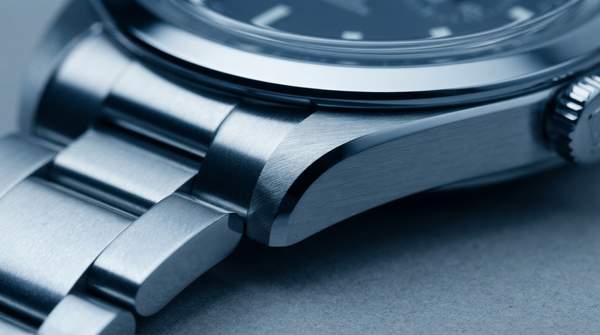
The second strategy is armor. Teddy Baldassarre's guide highlights the Seiko Prospex SNJ025, whose steel case wears protective shrouds around the bezel and pushers, "which absorbs shocks from any bumps or drops." The trade-off between the two approaches is mostly one of weight and feel: carbon composites and resin buy impact survival and comfort, while steel shrouds buy rigidity at the cost of heft. Neither material says anything about scratches or water—that is the framework's next two jobs.