During a 30-minute run, an Ultrahuman Ring Air logged a pace of 17 minutes per mile. An Apple Watch, for the same activity, recorded a significantly faster 10 minutes, 25 seconds per mile. This striking difference, reported by CNET, reveals a surprising variability in basic fitness tracking, even among advanced health devices like the best smart rings and fitness trackers of 2026.
Wearable health trackers now offer sophisticated data, but the most valuable insights and features often come with recurring subscription fees. Consumers are increasingly trading upfront device costs for these ongoing subscriptions to access the full spectrum of personal health data. This trend will likely continue as features advance, making personal health optimization an ongoing premium expense.
Beyond Steps: The Clinical Accuracy of Wearables
- 87.5% — pooled accuracy for COVID-19 detection by wearable activity trackers, according to PMC.
- 94.2% — pooled sensitivity for atrial fibrillation (AFib) detection by wearable activity trackers, also reported by PMC.
These numbers prove modern wearables offer clinically relevant insights for serious health conditions, far beyond basic activity tracking. Their high accuracy for medical detection suggests a powerful potential for preventative health interventions, if these insights are broadly accessible.
Top Contenders: Features and Professional Endorsements
Oura Ring (Oura Ring 5 / Gen3)
Best for: Comprehensive health tracking with deep insights and AI-powered guidance.
The Oura Ring 5 (Gen3) monitors over 50 health metrics: sleep, 24/7 heart rate, advanced temperature, Blood Oxygen Sensing (SpO2), Daytime Stress, and Heart Health. Access to these features and Oura Advisor, an AI-powered health companion, requires an Oura Membership. Elite athletes on the US Men's team use Oura Rings to monitor sleep, skin temperature, blood oxygen, recovery, and readiness scores, according to CNN. This professional use confirms its value for serious recovery and performance optimization.
Strengths: Wide metrics, AI insights, elite athlete adoption. | Limitations: Full functionality gated by subscription, initial device cost. | Price: Membership costs $5.99 USD/month or $69.99/year in the US, or 5.99 €/month or 69.99 €/year in the European Union.
Fitbit Inspire 3
Best for: Reliable everyday activity monitoring and step counting.
The Fitbit Inspire 3 tracks distance, steps, heart rate, and estimated calories. The New York Times found it the most accurate for step count and a top performer in other tests. Advertised battery life is up to 10 days, though real-world testing fell short.
Strengths: High accuracy for basic tracking, compact. | Limitations: Battery life may disappoint, fewer advanced metrics. | Price: Device purchase.
Apple Watch SE
Best for: Precise workout tracking and robust heart-health features within the Apple ecosystem.
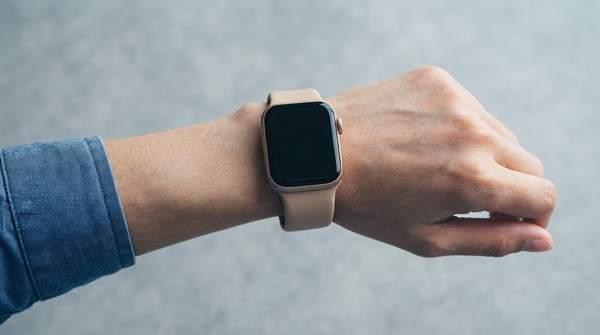
The Apple Watch SE offers precise workout tracking, a bright always-on display, and heart-health features. It logged a 10 minutes, 25 seconds per mile pace during a 30-minute run, outperforming the Ultrahuman Ring Air, according to CNET. Battery life is up to 18 hours, meaning almost daily charging, but it recharges 50% in about 30 minutes.
Strengths: Excellent workout accuracy, quick charging, comprehensive smart features. | Limitations: Short battery life requires frequent charging. | Price: Device purchase.
WHOOP fitness bands
Best for: Performance optimization and detailed recovery tracking for athletes.
WHOOP bands monitor sleep, strain, stress, and heart rate. Players on the England team and elite athletes at the World Cup use these devices, as reported by CNN. This elite adoption confirms their value for fine-tuning recovery and managing fatigue.
Strengths: Elite athlete endorsement, specialized recovery/strain focus. | Limitations: Subscription-based for full insights. | Price: Subscription model.
Fitbit Charge 6
Best for: Consistent activity tracking with a respectable battery life.
The Fitbit Charge 6 boasts up to seven days of battery life, a convenient option for consistent tracking without daily recharges, according to The New York Times.
Strengths: Good battery life, reliable general fitness tracking. | Limitations: Advanced features not detailed. | Price: Device purchase.
Ultrahuman Ring Air
Best for: Users seeking a smart ring without an ongoing subscription fee.
The Ultrahuman Ring Air requires no subscription. However, it logged a 17 minutes per mile pace during a 30-minute run, significantly slower than an Apple Watch's 10 minutes, 25 seconds per mile, according to CNET. The device is currently banned in the US due to an Oura lawsuit.
Strengths: No subscription fee. | Limitations: Poor basic fitness tracking accuracy, banned in the US. | Price: $349 device purchase.
Garmin Fitness Trackers
Best for: Outdoor enthusiasts and athletes seeking robust, specialized tracking.
Garmin is a prominent brand, with its fitness trackers tested by expert reviewers alongside Apple and Fitbit, according to NBC News. Its consistent presence in expert reviews confirms its standing as a major player, often specializing in outdoor activities.
Strengths: Recognized reliability, specialized for outdoor activities. | Limitations: Features vary by model, specific details not provided. | Price: Device purchase.