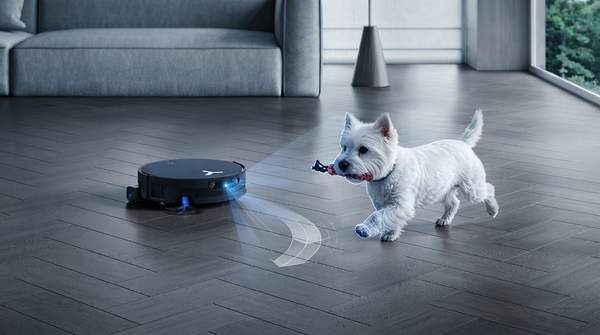
Selecting the ideal robot vacuum is less about finding the single "best" model and more about finding the right match for your unique living space. The most effective way to choose is to first analyze your home's specific cleaning challenges—from floor types and layout complexity to the presence of pets—and then identify the features and technologies designed to solve them. This approach shifts the focus from a confusing list of technical specifications to a clear understanding of what you actually need, ensuring the machine you bring home is genuinely helpful.
Assessing Your Home's Unique Cleaning Challenges
Before diving into the technology, a careful assessment of your home's environment is the most critical step. According to guidance from Dyson, the effectiveness of a robot vacuum is directly tied to how well it aligns with factors like layout complexity, floor types, and your family's cleaning habits. A small, open-plan apartment with only hardwood floors presents a simple task, while a multi-story house with a mix of deep-pile carpet, area rugs, and tight corners requires a far more sophisticated machine. Consider whether your home has many rooms, tricky furniture to navigate, or high thresholds between rooms. The presence of pets introduces the challenge of hair, which demands specific brush and suction capabilities. By identifying these personal requirements first, you can create a priority list of essential features.
Understanding Robot Vacuum Navigation Technologies
A robot vacuum's ability to navigate is fundamental to its performance, determining how thoroughly and efficiently it cleans. According to technology manufacturer ECOVACS, navigation systems generally fall into three categories, each with distinct advantages and limitations. The most advanced is LiDAR (Light Detection and Ranging), which uses a spinning laser to create a highly accurate, 360-degree map of your home. This allows the robot to plan a methodical, efficient cleaning path, operate effectively in low light or darkness, and reliably cover large, complex spaces without missing spots.
Another modern approach is camera-based navigation, often referred to as VSLAM (Visual Simultaneous Localization and Mapping). As explained by ECOVACS, these robots use a camera to identify landmarks and objects to map their surroundings. This technology enables sophisticated object recognition, but its performance can be dependent on adequate lighting in the room. An analysis from Vacuum Wars confirms that both LiDAR and VSLAM systems allow robots to clean in organized patterns, a significant improvement over older methods.
The simplest system is sensor-based, sometimes called "bump-and-move" navigation. These robots rely on infrared sensors and physical contact with objects to change direction. This method results in a more random cleaning pattern that can be inefficient and prone to missing edges or tight corners. While less common in newer, premium models, this technology is still found in some budget-friendly vacuums and is best suited for small, simple, and uncluttered rooms.
Suction Power and Brush Types for Optimal Cleaning
While navigation gets the robot where it needs to go, its suction and brush system determine how well it cleans. For homes with carpets and rugs, strong suction power is a non-negotiable feature, as it's necessary to lift dirt, dust, and allergens from deep within the fibers. The best robot vacuums can often detect a change in floor surface and automatically increase suction when moving from a hard floor to a carpet.
If you have pets or household members with long hair, the design of the main brush roll is just as important as suction. ECOVACS highlights anti-tangle brushes as a key feature for pet owners. These are typically made of rubber or a combination of rubber and bristles, designed to resist hair wrapping. This significantly reduces the frequency of manual maintenance required to keep the vacuum operating at peak efficiency. A CNET lab test of one model specifically noted its capability as a "powerful pet hair extractor," demonstrating the impact of a well-designed system for homes with pets.
Smart Features for Complex Layouts and Obstacles
For homes that are not simple, open spaces, a suite of smart features can make the difference between a helpful assistant and a frustrating gadget. If your home has multiple levels, a model with multi-floor mapping is essential. This feature, described by ECOVACS, allows the robot to save maps of different floors and automatically recognize its location, so you can simply move it upstairs or downstairs without having to re-map the area. To prevent dangerous tumbles, cliff sensors are a standard but vital feature that detects stairs and other drop-offs.
To manage the realities of a busy home, look for features that give you more control. The ability to create "no-go zones" via a smartphone app lets you block the robot from areas where it might get stuck, such as under a desk with many cables, or where you don't want it to go, like a pet's food and water station. For homes with frequent clutter, advanced obstacle avoidance is key. While basic robots simply bump into objects, more advanced models use their cameras and lasers to identify and navigate around items like shoes, toys, and even pet waste, ensuring the cleaning cycle completes without interruption.
Robot Vacuum Feature Decision Framework
To simplify your choice, this framework connects common household characteristics with the essential robot vacuum features designed to address them. Use this guide to identify your primary needs and build a checklist for your ideal machine, translating your home's unique environment into a concrete set of technical requirements.
| Your Home's Challenge | Essential Feature(s) | Why It Matters |
|---|---|---|
| Pets or Long Hair | Anti-tangle brushes and strong suction | Prevents hair from clogging the brush and ensures effective pickup from all floor types, reducing manual maintenance. |
| Multi-Level Home | Multi-floor mapping and cliff sensors | Allows the robot to clean different stories effectively without re-mapping and prevents it from falling down stairs. |
| Complex Layout with Many Rooms | Advanced navigation (LiDAR or VSLAM/Camera) | Creates accurate maps for methodical, efficient cleaning paths that cover the entire area without getting lost or missing spots. |
| High-Pile Carpets and Rugs | Strong, adaptive suction power | Provides the force needed to pull embedded dirt, dust, and debris from deep within carpet fibers, often boosting power automatically. |
| Frequent Clutter (e.g., toys, shoes) | Advanced obstacle avoidance and no-go zones | Helps the robot navigate around everyday objects without getting stuck and lets you digitally block off problematic areas. |
Making Your Informed Choice
Ultimately, the path to a cleaner home with less effort is paved with an informed decision. By first evaluating your own space and its specific demands, you can move beyond marketing claims and focus on the technology that will actually make a difference in your daily life. The key is to select a robot vacuum by matching its features to your home's specific floor types, layout complexity, and presence of pets. Armed with a clear understanding of your priorities, you can confidently identify a set of essential robot vacuum features tailored to your home environment and choose a machine that will serve you well for years to come.