Best Stuff Magazine
Home & KitchenTech & ElectronicsStyle & GroomingOutdoor & TravelHealth & FitnessThe EditFood & Drink
Best Stuff Magazine

Unbiased reviews and guides for thoughtful consumers.

Home & KitchenTech & ElectronicsStyle & GroomingOutdoor & TravelHealth & FitnessHow-To Guides
WritersContactPrivacyTerms
Prime DayDealsSmart HomeTechnologyAiInterior DesignMusic IndustryCopyright

© 2026 Best Stuff Magazine. All rights reserved.

  1. Home
  2. /Home & Kitchen
  3. /The Rise of Invisible Kitchens in Modern Home Design Trends
Home & Kitchen

The Rise of Invisible Kitchens in Modern Home Design Trends

Imagine an induction hob embedded directly into your countertop, with controls that appear only with a touch – this is the reality of V-ZUG's Integra system.

SG
Sofia Garcia

July 6, 2026 · 5 min read

A futuristic kitchen featuring a seamlessly integrated induction hob with touch controls appearing on a minimalist countertop.

Imagine an induction hob embedded directly into your countertop, with controls that appear only with a touch – this is the reality of V-ZUG's Integra system. This innovation transforms kitchen surfaces into seamless, multi-functional areas, making the primary cooking appliance virtually disappear until needed. The experience redefines how we interact with our kitchens, prioritizing sleek aesthetics and on-demand utility for modern home design trends in 2026. This counterintuitive finding from V-ZUG challenges the fundamental interaction with a primary cooking appliance, making its very existence a 'surprise' until activated.

The kitchen remains a central hub for daily life, but modern design increasingly seeks to erase its visual presence. This creates a tension where the heart of the home must simultaneously be functional and, at times, entirely camouflaged. The enduring social centrality of the kitchen clashes with the aesthetic drive to make its functional elements disappear, suggesting a future where the kitchen's visual presence is optional, yet its core function remains essential.

Based on these trends, home design is likely to continue prioritizing adaptable, aesthetically integrated spaces, potentially redefining the very concept of a "kitchen" in future homes. This shift is actively dismantling the traditional kitchen's distinct identity, forcing it into a camouflaged, on-demand role that prioritizes visual integration over overt culinary prominence.

The Disappearing Act: How Kitchens Are Becoming Invisible

The pursuit of an invisible kitchen extends beyond mere appliance concealment, embracing a design philosophy where functionality emerges only when required. V-ZUG's Integra system exemplifies this, embedding an invisible induction hob directly into a continuous mineral surface (MDi), with tactile controls and subtle LED guidance that only appear with a touch, according to Tatler Asia. This advanced technological integration is not just about convenience; it serves as a fundamental enabler for achieving aesthetic minimalism, allowing functionality to emerge only when needed. The system makes the very existence of a primary cooking appliance a surprise until activated, redefining the user's interaction with their cooking space.

Another striking example comes from Visionnaire's Duncan kitchen, which features a wall clad in oxidised metal mosaic that slides away to reveal a fully equipped bar, as reported by Tatler Asia. This design creates transformative spaces that can dynamically shift between functions, blurring the lines between traditional room definitions like living areas and cooking zones. A deliberate shift from overt kitchen displays to integrated, hidden functionalities that prioritize aesthetic continuity and seamless living, fundamentally challenging traditional notions of kitchen opulence by valuing absence of clutter over visible grandeur.
Beyond Aesthetics: The Drive for Adaptable Living

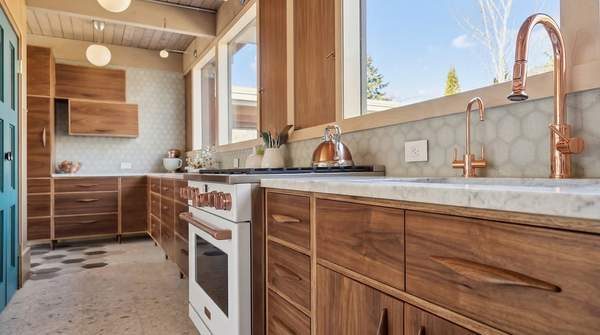
The shift towards invisible kitchens is driven by a desire for flexibility and multi-functional living spaces, moving beyond simple aesthetic minimalism. Homeowners are embracing adaptable kitchen designs that can evolve alongside changing lifestyles, featuring dedicated drink stations, concealed storage, and freestanding furniture, according to housebeautiful. This design approach allows spaces to dynamically shift between functions, blurring traditional room definitions and supporting a broader societal trend towards multi-functional rooms where the kitchen's visual presence can be minimized or maximized as required.

Modern kitchens, for example, now frequently use cleverly concealed appliances and a central island to help define separate zones for cooking, entertaining, and everyday living, housebeautiful states. The rise of dedicated, often concealed, drink stations and bars within kitchen designs suggests a significant shift in the kitchen's social function, prioritizing on-demand entertainment and hospitality over its traditional role as a primary meal preparation space. This trend is driven by a desire for versatile living spaces that cater to evolving needs and multi-functional use, rather than rigid, single-purpose areas, making the kitchen a more integrated and adaptable part of the home.

Luxury design is now defined by the absence of clutter and the seamless integration of functionality, challenging traditional notions of kitchen opulence.

  • V-ZUG's Integra system embeds an invisible induction hob directly into a continuous mineral surface (MDi) with tactile controls and subtle LED guidance.
  • Visionnaire's Duncan kitchen features a wall clad in oxidised metal mosaic that slides away to reveal a fully equipped bar, according to Tatler Asia.

High-end kitchen design prioritizes understated elegance and hidden utility. The focus shifts from displaying elaborate appliances to creating serene, uncluttered environments where culinary tools emerge only when needed. This approach transforms the perception of luxury from overt display to sophisticated concealment, signaling that true opulence lies in seamless integration and visual tranquility rather than conspicuous consumption.

Manufacturers who fail to innovate beyond fixed, visually prominent kitchen layouts risk becoming obsolete.

  • Homeowners increasingly demand adaptable designs and concealed appliances, according to housebeautiful.

As the market shifts towards fluid, multi-functional living spaces, brands that cling to traditional, static kitchen concepts may struggle to meet evolving consumer preferences. The demand for kitchens that blend seamlessly into living areas requires a fundamental rethinking of appliance integration and spatial design. Manufacturers must innovate beyond conventional offerings to provide solutions that support flexible lifestyles, or they risk reduced relevance in a market that values adaptability above all else.

The modern kitchen's primary social function is evolving from communal meal preparation to sophisticated, on-demand entertaining.

  • The emphasis on dedicated drink stations and hidden bars within kitchen spaces, according to housebeautiful and Tatler Asia, indicates this shift.

This evolution suggests that while cooking remains a core utility, the social focal point of the kitchen is increasingly centered around hospitality and bespoke beverage service. Culinary utility is pushed into the background, becoming an on-demand service rather than the central, visually dominant activity. This reflects a broader change in how homes are used for social gatherings, with a greater emphasis on effortless entertainment and personalized experiences within the integrated living space.

  • Modern kitchens are adopting a "disappearing act" where appliances and functions are concealed, prioritizing seamless aesthetics for 2026 home designs.
  • The demand for adaptable, multi-functional living spaces actively drives the integration of hidden kitchen elements, blurring traditional room boundaries.
  • Luxury kitchen design is shifting from overt display to sophisticated concealment and clutter-free environments, redefining opulence.
  • Dedicated drink stations and hidden bars highlight an evolving social role for kitchens, focusing on on-demand entertaining over traditional meal preparation.

By late 2026, appliance manufacturers like V-ZUG, with their Integra system, are likely to continue setting the standard for integrated and invisible kitchen technology, pushing the boundaries of what a kitchen can be. The trend where luxury design is defined by seamless functionality rather than visible components will solidify.

Tags

Kitchen DesignModern HomesHome TrendsInterior DesignInvisible KitchenV Zug IntegraCountertop HobSleek Aesthetics
SG

Sofia Garcia

Staff Writer, Home & Kitchen

Sofia is an expert in creating a functional and beautiful home, testing everything from stand mixers to bedding to find products that truly enhance daily life. Her background is in culinary arts and interior design.

More from Home & Kitchen

The 3 Best Cabinets for Mid-Century Homes in 2026

The 3 Best Cabinets for Mid-Century Homes in 2026

As natural wood makes a strong return in 2026, this article identifies the best cabinet systems for Mid-Century Modern homes, blending authentic design with modern craftsmanship. MidModCabs is highlighted for its architect-designed quality, premium materials, and durable RTA system.

Adam Kowalski· Jul 2
7 Proven Reasons American Electric Has Been NY’s Trusted Electrician Since 1990

7 Proven Reasons American Electric Has Been NY’s Trusted Electrician Since 1990

American Electric has been New York's trusted electrician since 1990, providing essential electrical services and emergency power solutions. Their family-owned legacy ensures accountability and a higher standard of care, especially with increasing severe weather and power outages.

Adam Kowalski· Jul 2
A luxurious 2026 avocado green kitchen in a high-end showroom, symbolizing a bold comeback of polarizing interior design trends.

Polarizing Interior Design Trends Making a 2026 Comeback

By 2026, the avocado green kitchen, once a symbol of outdated design, is predicted to reappear in high-end showrooms, marking a bold rejection of minimalist uniformity and a significant shift in home

Sofia Garcia· Jul 1
A symbolic image of AI technology towering over San Francisco's residential streets, illustrating the impact of AI on rent prices and urban living.

AI drives San Francisco rent increases

In San Francisco, the median monthly price of a one-bedroom apartment now hovers around $4,000, a figure directly linked to the city's explosive AI boom.

Adam Kowalski· Jun 23

Trending Now

1
Don't Settle for Fast Food: Why BASTA. Pasteria is Murray's Answer for Quick, Authentic Italian

Don't Settle for Fast Food: Why BASTA. Pasteria is Murray's Answer for Quick, Authentic Italian

Food And Drink· 1 view
2
Your Guide to LightForce® Laser Therapy at Advanced Health Chiropractic

Your Guide to LightForce® Laser Therapy at Advanced Health Chiropractic

Health And Fitness· 1 view
3
The Ultimate Guide to Choosing Your Moss Apparel Wildlife Hoodie (An Insider's Look)

The Ultimate Guide to Choosing Your Moss Apparel Wildlife Hoodie (An Insider's Look)

Style And Grooming· 1 view
4
Pillowsonic Symphony Review: Is This Under-Pillow Speaker Worth It for Better Sleep?

Pillowsonic Symphony Review: Is This Under-Pillow Speaker Worth It for Better Sleep?

Tech And Electronics· 1 view
5
A GOG newsletter displayed on a computer screen, inadvertently featuring symbols resembling Nazi iconography, causing shock and public outcry.

GOG apologizes for accidental Nazi symbols in newsletter

The Edit· 1 view
6
Cinco de Mayo "Ready to Go" Michelada Cup vs. Homemade Micheladas: Which is Better for Your Party?

Cinco de Mayo "Ready to Go" Michelada Cup vs. Homemade Micheladas: Which is Better for Your Party?

Food And Drink· 1 view